

ADVERTISEMENT FEATURE: SPONSORED CONTENT
Whether you’re looking to create a more uplifting morning atmosphere, make your bedroom feel more relaxing, or simply become more aware of the scents around you, understanding how different scents affect mood can offer an interesting insight into the relationship between our surroundings, memories and emotions.
This article has been supplied by one of our advertising partners. We encourage readers to carry out their own research and seek appropriate professional advice before making any decisions about wellness products. We hope the information below provides a helpful starting point as you explore the role scent can play in your everyday surroundings.
The Science of Scent: How Different Scents Can Affect Your Mood
We take in far more information from our surroundings than we consciously register. Sound, light, texture, temperature, and smell can all contribute to how a space feels before we consciously consider any of them.
Smell is particularly interesting because of its close relationship with memory and emotion. A familiar fragrance can transport us back to a particular place or moment almost instantly, while another scent might simply make a room feel fresher, warmer or more inviting.
Understanding how different scents affect mood starts with looking at the fascinating way our sense of smell interacts with the brain.
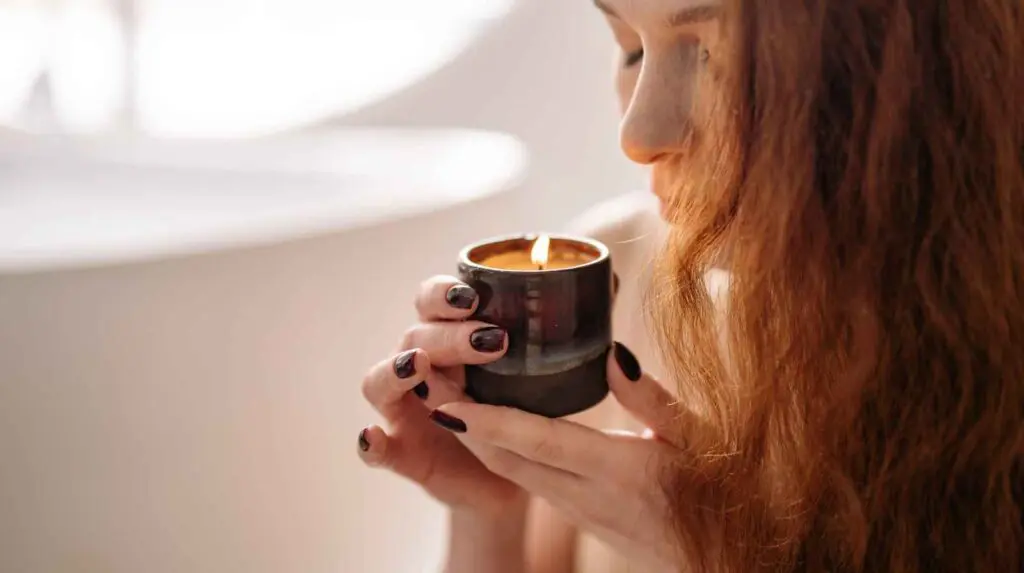
How the Nose Talks to the Brain
Our sense of smell connects strongly with brain areas involved in emotion and memory. This helps explain why a particular scent can sometimes trigger a feeling or memory before we have consciously identified exactly what we are smelling.
Think about the smell of freshly baked bread, a favourite perfume, cut grass or a particular cooking ingredient. Even a brief encounter with a familiar aroma can bring a person, place or moment to mind.
These associations are highly personal. The same scent that reminds one person of comforting childhood memories might mean something completely different to someone else. This is one reason scent can be such an individual part of how we experience our surroundings.
How Different Scents Affect Mood
Aromatic compounds occur naturally in many plants, fruits, and herbs we encounter every day. Different scents can be associated with different feelings and memories, although our responses can vary depending on personal experience, context and concentration.
Here are some of the most familiar aromatic profiles and the kinds of atmosphere they are often associated with.
Citrus Notes

Citrus fruits such as lemon, orange and bergamot contain aromatic compounds including limonene. Citrus scents are often associated with freshness, brightness and an energising atmosphere.
Their crisp profile makes them a popular choice for kitchens, bathrooms and morning routines, as well as cleaning and home-fragrance products.
If you want a room to feel fresh and bright, a citrus aroma can simply change its overall atmosphere.
Floral Compounds
Lavender and other flowers contain aromatic compounds such as linalool, while roses and geraniums contain compounds including geraniol.
Floral scents are often associated with relaxation and winding down, which is why they frequently appear in bedroom and evening products. Lavender, in particular, has been widely studied for relaxation and sleep, although individual responses can differ.
For some people, pairing a familiar floral fragrance with softer lighting or an evening routine can create a more relaxing end-of-day environment.
Woody and Herbal Notes
Pine, cedar and rosemary contain compounds known as terpenes, including pinene. Woody and herbal aromas are often associated with nature, freshness and a more grounded atmosphere.
These scents can work particularly well in workspaces and study areas where a less sweet, more earthy fragrance may feel preferable.
Rosemary and sage also have a long history of use in kitchens and gardens. Keeping a small pot of fresh herbs near a kitchen window or workspace can provide both a practical ingredient and an enjoyable everyday aroma.
Plant Terpenes in Wellness Products
Hemp plants also contain a range of naturally occurring terpenes, including myrcene and caryophyllene. These aromatic compounds are part of a much wider family of plant terpenes found throughout nature.
CBD terpenes have become increasingly visible within the wider UK wellness market, reflecting growing interest in plant-derived ingredients and the different aromatic profiles they can provide.
Products containing these compounds range from balms and other topical products to CBD oil, with formulations varying in their ingredients and terpene profiles.
As with any wellness product, check the ingredients, understand how a product is intended to be used, and choose products from reputable suppliers. Individual preferences and responses to scent can also vary considerably.
Bringing Aromatics Into Daily Life

Exploring scent doesn’t have to involve anything elaborate. Opening a window, bringing fresh herbs into the kitchen, or choosing a candle or home fragrance in an aroma you enjoy can all change a room’s atmosphere.
You might find that you naturally prefer brighter citrus scents in the morning and warmer, floral or woody aromas later in the day. There is no single right combination — your own associations and preferences are an important part of the experience.
The relationship between our surroundings and wellbeing extends beyond scent, too. The green social prescribing programme explored how connecting people with nature and natural environments could support health and wellbeing in communities across England.
Whether it is the smell of fresh herbs, flowers in the garden, or simply opening a window after rain, noticing the sensory details around us can be an enjoyable way to become more connected with our environment.
A Well-Chosen Scent Can Shape How a Space Feels
Scent works alongside light, sound, temperature, and other sensory details to shape the overall atmosphere of a home or workspace.
Noticing how different scents affect mood can be a simple way to become more intentional about your surroundings. You might choose citrus for a fresh morning atmosphere, floral notes when you’re winding down, or woody and herbal aromas when you want your space to feel connected to nature.
There is no universal scent formula. The most important factor is what you personally enjoy, and the associations a particular aroma creates for you.
Sometimes, changing the atmosphere around you can be as simple as noticing what you can smell.