
Life can feel relentlessly busy. Between work, family responsibilities, endless notifications and the pressure to always be productive, relaxation often becomes something we squeeze in at the very end of the day—if there’s any time left at all.
Yet relaxation isn’t a luxury. It’s something our minds and bodies genuinely need to function well.
If you’ve ever struggled to switch off, felt guilty for taking a break or found yourself scrolling your phone while supposedly “relaxing,” you’re not alone. The good news is that a few simple changes can make your relaxation time both longer and more effective.
In This Article You’ll Discover:
- Why relaxation is important for your mental and physical well-being
- Why you shouldn’t feel guilty about taking time to relax
- How to make relaxation more effective
- Practical relaxation tips you can start using today
- A simple mindset shift that can help you prioritise rest
[Disclosure: This article contains a paid-for link]
Why Relaxation Is Important
Relaxation does far more than simply help you feel good in the moment.
When we’re stressed, our bodies release hormones such as cortisol and adrenaline that prepare us to deal with challenges. While this response can be helpful in short bursts, staying in a constant state of stress can leave us feeling exhausted, overwhelmed and emotionally drained.

Regular relaxation helps to:
- Lower stress levels
- Support emotional wellbeing
- Improve sleep quality
- Reduce muscle tension
- Boost concentration and focus
- Support overall physical health
- Improve resilience during difficult times
In many ways, relaxation is like charging your phone battery. You wouldn’t expect your phone to run indefinitely without recharging, yet many of us expect exactly that from ourselves.
Why You Shouldn’t Feel Guilty About Relaxing
One of the biggest barriers to relaxation isn’t finding the time—it’s allowing ourselves to take it.
Many of us have absorbed the message that being busy equals being productive, valuable or successful. As a result, sitting down with a book, taking a walk or simply doing nothing can feel uncomfortable.
But relaxation isn’t laziness.
It’s a necessary part of maintaining your wellbeing.
Without adequate rest and recovery, stress can build up, energy levels can drop, and everyday tasks often become harder rather than easier.
A Helpful Mindset Reframe
Instead of viewing relaxation as time away from being productive, try seeing it as something that supports your productivity.
Relaxation is not the opposite of getting things done.
It’s what helps you have the energy, focus and emotional capacity to do them.
The next time you feel guilty for taking a break, remind yourself:
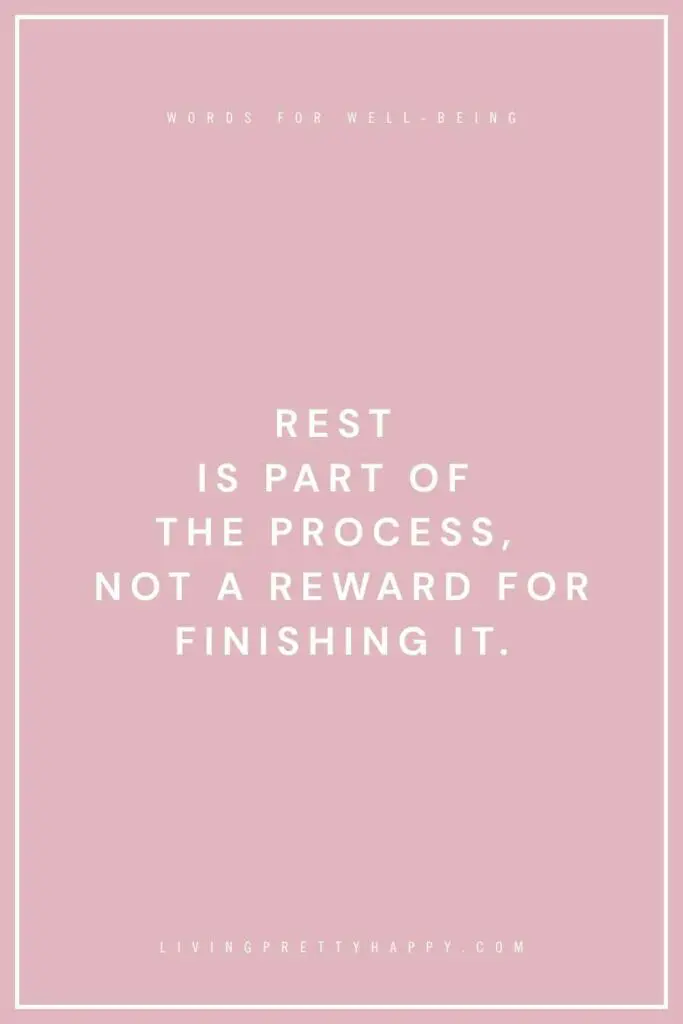
“Rest is part of the process, not a reward for finishing it.”
10 Relaxation Tips to Make Your Relaxation Time More Effective
1. Schedule Relaxation Into Your Day
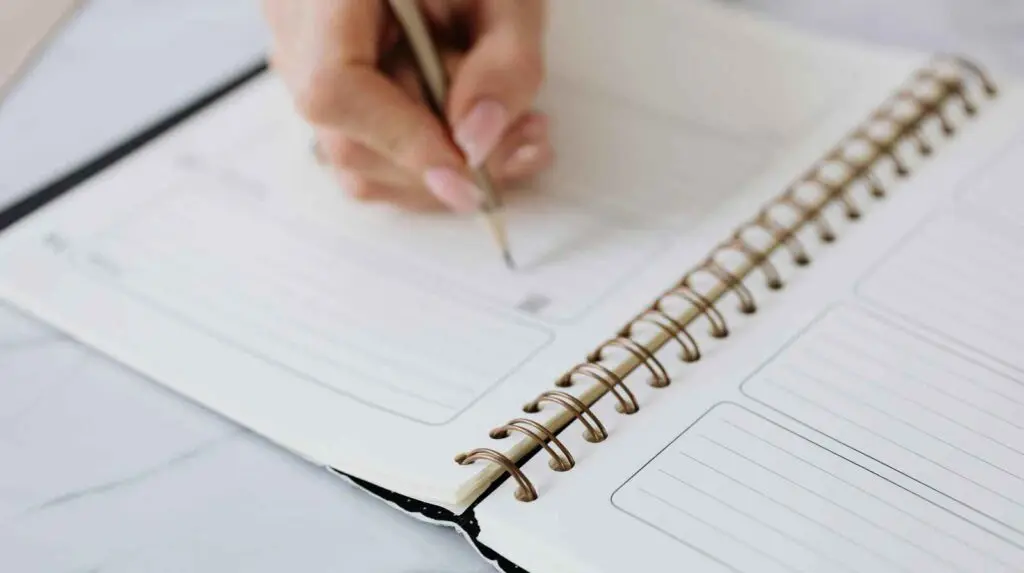
Many people wait until they have spare time to relax.
The problem is that spare time rarely appears on its own.
Treat relaxation like any other important appointment by scheduling it into your calendar. Even 10 to 15 minutes can make a difference.
2. Create a Relaxation Routine
Your brain responds well to routines.
Whether it’s making a cup of herbal tea, lighting a candle or listening to calming music, repeating the same actions can signal that it’s time to unwind.
Over time, these habits can help you relax more quickly.
3. Put Your Phone Out of Reach
Many of us turn to social media when we’re trying to relax.
Unfortunately, constant notifications, news updates and endless scrolling can sometimes leave us feeling more stressed than before.
Try placing your phone in another room for part of your relaxation time and notice how different it feels.
4. Spend Time Outdoors
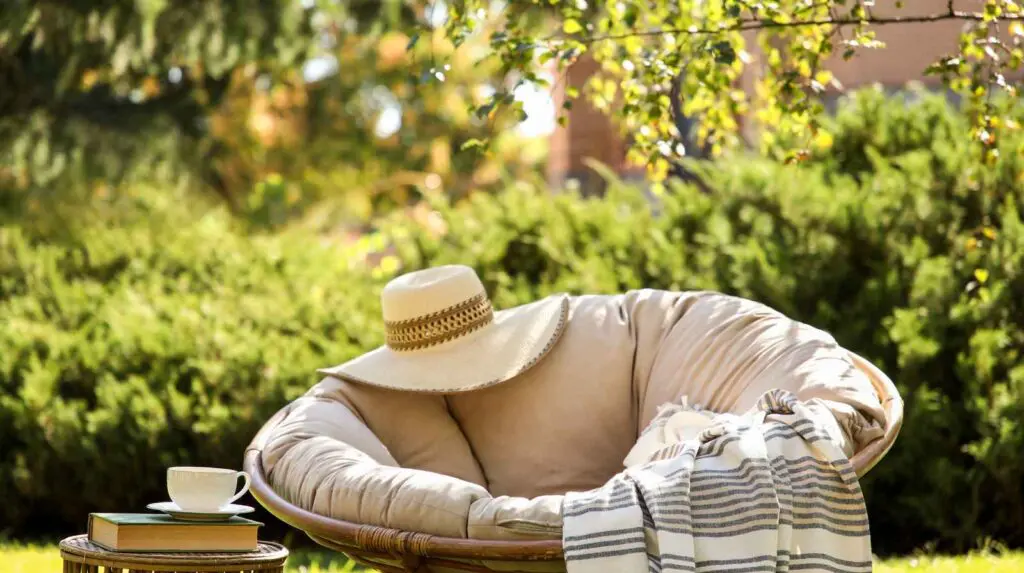
Nature can be incredibly restorative.
A short walk, sitting in the garden or simply noticing the sights and sounds around you can help calm a busy mind and provide a break from everyday pressures.
5. Focus on One Relaxing Activity at a Time
True relaxation often works best when we aren’t multitasking.
Rather than watching television while scrolling social media and responding to messages, try fully engaging in one relaxing activity.
Being present can make relaxation far more effective.
6. Practise Deep Breathing
One of the simplest relaxation tips is also one of the most effective.
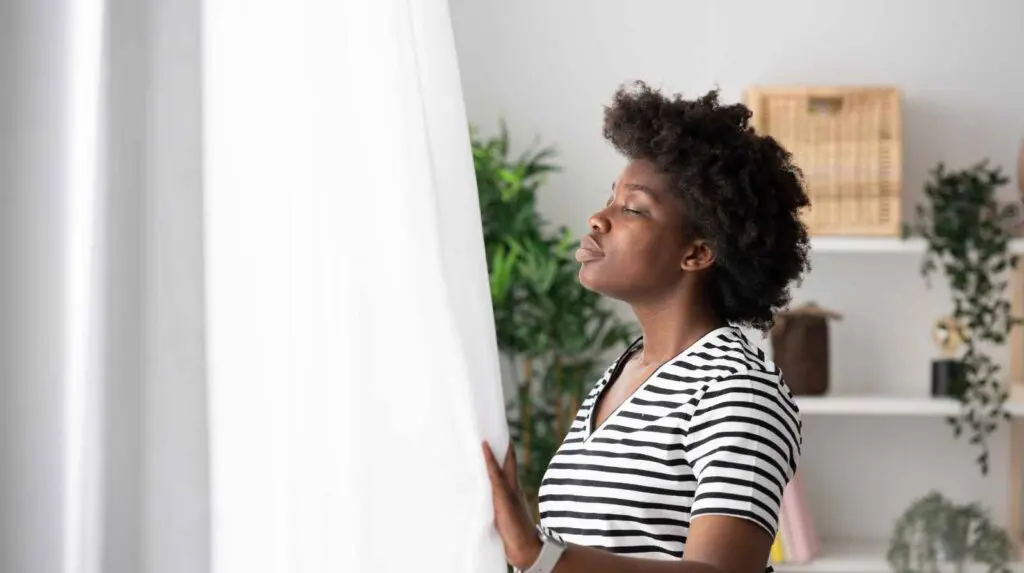
Slow, deep breathing can help signal safety to your nervous system and encourage your body to move out of stress mode.
Try breathing in slowly for four counts and out for six counts for a few minutes.
7. Choose Activities You Actually Enjoy
Not everyone finds the same things relaxing.
While some people love meditation, others prefer reading, crafting, gardening, baking or listening to music.
Others may prefer a more restorative approach, such as using red light therapy panels as part of their relaxation routine. At-home panels offer a convenient way to combine light therapy with quiet downtime while supporting muscle recovery and overall well-being.
The best relaxation tips are the ones that fit your personality and preferences.
8. Give Yourself Permission to Do Less
Sometimes relaxation isn’t about adding another activity to your to-do list.
It can simply mean letting go of the pressure to constantly achieve, improve or optimise everything.
Doing less can sometimes be exactly what you need.
9. Build Small Relaxation Moments Into Your Day
Relaxation doesn’t have to happen in one long block.
Try creating mini moments of calm throughout the day by:
- Taking a five-minute break
- Stretching between tasks
- Stepping outside for fresh air
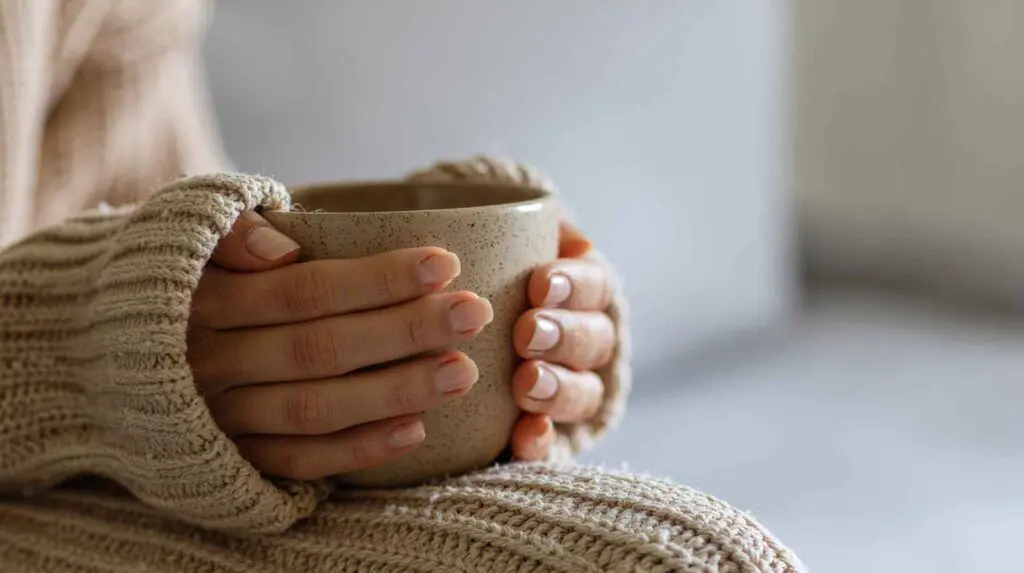
- Enjoying a hot drink without distractions
These small pauses can add up.
10. Protect Your Relaxation Time
It’s easy for relaxation to become the first thing we cancel when life gets busy.
Instead, try treating it as an essential part of self-care.
The more consistently you prioritise relaxation, the easier it becomes to maintain your wellbeing over the long term.
Final Thoughts
Learning to prioritise relaxation can feel challenging in a world that often celebrates constant busyness. But taking time to rest isn’t selfish, lazy or unproductive – it’s an important part of looking after your mental, emotional and physical wellbeing.
By using these relaxation tips and letting go of guilt around taking breaks, you can create more opportunities to recharge, reduce stress and feel better equipped to handle the demands of everyday life.
Remember, relaxation isn’t something you have to earn.
It’s something you deserve.
I hope you’ve found these relaxation tips helpful and discovered new ways of reducing stress naturally. Do you do any of these things yourself yet? Is there one that you’re particularly keen to try? Whatever you would like to say or ask, please do. I’m happy to help, and I always love to hear from you.
Source References:
National Health Service (NHS). Stress Management and Wellbeing Resources.
https://www.nhs.uk/every-mind-matters/
Mental Health Foundation. How to Manage and Reduce Stress.
https://www.mentalhealth.org.uk
American Psychological Association. Stress Effects on the Body.
https://www.apa.org/topics/stress
Mayo Clinic. Relaxation Techniques: Try These Steps to Reduce Stress.
https://www.mayoclinic.org
Harvard Health Publishing. Understanding the Stress Response.
https://www.health.harvard.edu