
A well-being garden doesn’t need to be picture-perfect or Pinterest-worthy to make a difference. In fact, the most powerful spaces are often the simplest. These well-being garden ideas are all about creating a space that feels calm, grounding, and genuinely supportive of your mental health.
In This Article, You’ll Discover:
- Why time in the garden is beneficial
- What a well-being garden is
- What to include in a well-being garden
- Simple well-being garden ideas to try
- What to do if you don’t have a garden
- FAQs
Well-Being Garden Ideas: Why Your Outdoor Space Matters
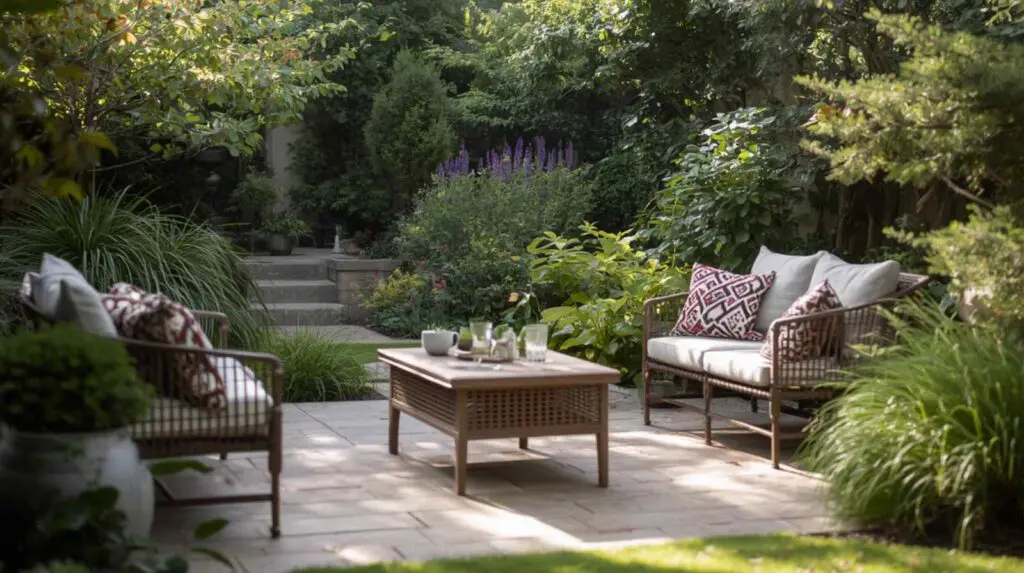
I’m surrounded by people who love to garden. I’ve never caught that bug – I’m nowhere close to green-fingered. But that doesn’t mean I haven’t come to learn that my garden can be my sanctuary.
For the years that I was basically housebound, my garden was my connection to the outside world. I would spend time in a comfy chair, taking in the wildflowers, hearing the birds sing, and the bees buzz. It was breathing space, and it was blissful.
We moved home, and my garden became a bit of paving with beyond resuscitation grass and concrete posts propping up flimsy fencing panels. But despite the aesthetic, I still got something from just sitting in the fresh air, drinking a coffee, watching the clouds float by, and finding my peace.
Soon our garden is getting a makeover, and whilst I’ll have zero involvement in its execution, I’ve been avidly researching well-being garden ideas to make it a haven. Because I know my garden is good for me—literally.
Why Is Time in the Garden Beneficial?
Spending time outdoors has been consistently linked to improved mental well-being. Time outside can help reduce stress, lower anxiety levels, and boost mood. Even a few minutes can serve as a reset, much like taking small, intentional breaks throughout your day to recharge.
Natural environments gently stimulate the senses without overwhelming them. The sound of birds, the movement of leaves, and even the scent of plants can create a calming effect on the nervous system.
There’s also something powerful about simply stepping away – from screens, responsibilities, and the constant noise of everyday life. A garden offers a pause, and sometimes that’s exactly what we need.
What Is a Well-Being Garden?
A well-being garden isn’t about design trends or expensive landscaping. It’s about intention.
At its core, a well-being garden is a space designed to support relaxation, mindfulness, and emotional balance. It encourages you to slow down, breathe deeply, and reconnect with yourself.

It’s about creating space to slow down, switch off, and embrace moments of stillness—something beautifully captured in the idea of doing nothing at all.
This might look different for everyone. For some, it’s a lush, plant-filled retreat. For others, it’s a quiet corner with a chair and a cup of tea. There’s no right or wrong way – only what feels good to you.
What Does a Well-Being Garden Contain?
Just like inside your home, your surroundings have a powerful impact on how you feel – your environment plays a bigger role in your mood than you might realise. When exploring well-being garden ideas, it helps to think about how you want the space to feel rather than how it should look.
Some simple elements that can enhance well-being include:
Comfortable seating:
A place to sit and pause is essential. Whether it’s a garden chair, bench, or even a blanket on the ground, this is your invitation to stop.
Natural textures:
Wood, stone, and plants help create a grounding environment that feels connected to nature.
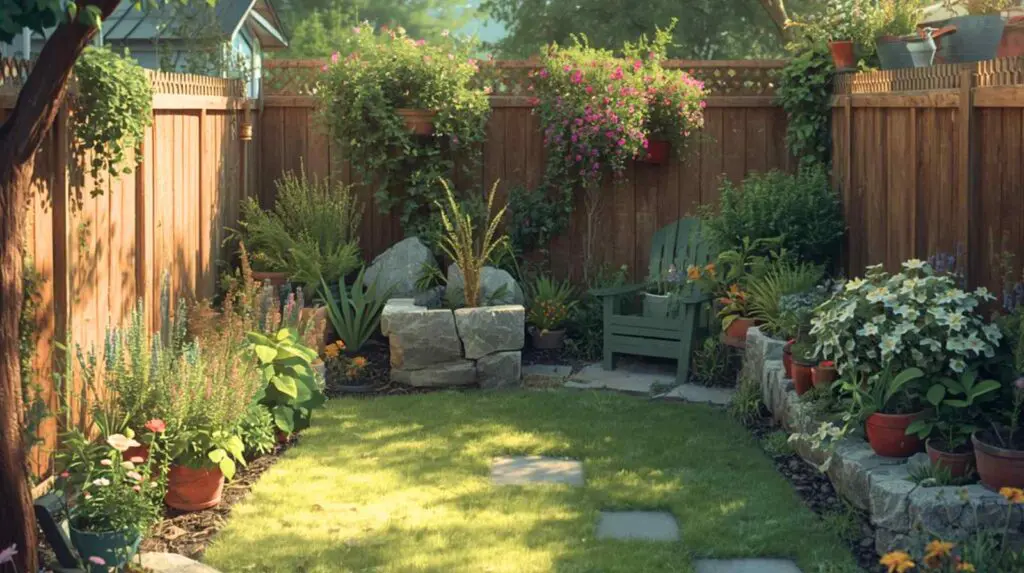
Gentle sensory elements:
Think soft planting, grasses that move in the breeze, or flowers that attract bees and butterflies.
A sense of privacy:
Even in a small space, feeling tucked away can make a big difference. Fencing, trellis, or plants can help create that cocooned feeling.
Low-maintenance features:
If you’re not naturally drawn to gardening (I see you), keeping things simple is key. Choose easy-care plants or focus more on layout and atmosphere.
How to Optimise Your Garden for Well-Being
If you’re looking for practical well-being garden ideas, start small. You don’t need a full redesign to feel the benefits.
Create a dedicated “pause” spot:
Choose one area of your garden to intentionally slow down. Add a chair, a cushion, or a small table for your coffee.
Think about how you use the space:
Do you want somewhere to read? Reflect? Sip your morning tea? Let that guide your choices.
Bring in softness:
Even the most concrete-heavy garden can feel softer with a few plants, outdoor rugs, or cushions.
Use sound and movement:
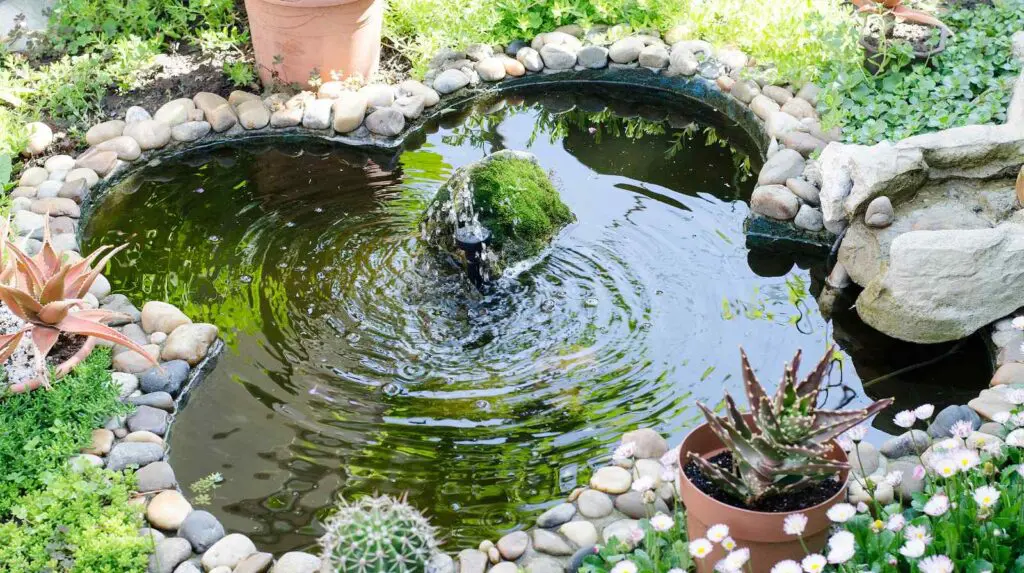
Wind chimes, rustling plants, or even a small water feature can add a soothing layer to your space.
Keep it realistic:
A well-being garden should support you – not become another thing on your to-do list. Choose ideas that feel manageable and enjoyable. The goal isn’t perfection—it’s creating something that feels manageable and nurturing, much like these sustainable self-care habits you can actually stick to.
What If You Don’t Have a Garden?
This is where well-being garden ideas become beautifully flexible – because you don’t actually need a traditional garden to create a calming outdoor connection.
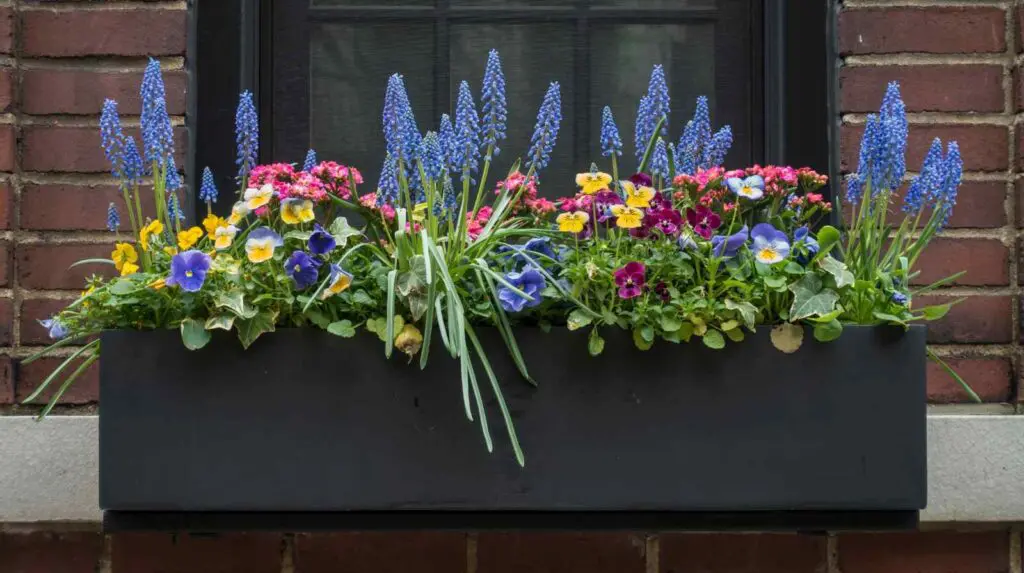
Window boxes or balcony plants:
A few plants in a small space can still bring nature closer.
Indoor-outdoor flow:
Position a chair near an open window, let in fresh air, and create your own mini retreat indoors.
Visit local green spaces:
Parks, nature reserves, and community gardens can offer the same benefits. Even a short walk can shift your mood.
Seek out well-being gardens:
Across the UK, there are communal spaces specifically designed for reflection and calm. These can be a beautiful alternative if you don’t have your own outdoor space.
Common Questions About Well-Being Gardens
Do I need a big garden to create a well-being space?
Not at all. Even the smallest corner can be transformed into a calming spot with the right intention.
What are the best plants for a well-being garden?
Low-maintenance, sensory plants like lavender, grasses, and wildflowers are great choices—but it’s more about what you enjoy.
Can a garden really improve mental health?
Spending time in natural environments has been shown to support mental well-being, reduce stress, and improve mood.
What if I don’t enjoy gardening?
That’s completely fine. A well-being garden is about being in the space, not maintaining it perfectly.
A well-being garden isn’t about perfection – it’s about permission…
Permission to slow down.
Permission to breathe.
Permission to sit in a slightly scruffy space and still feel completely at peace.
Whether your garden is a lush retreat or a patch of paving with tired grass, it can still offer something meaningful. And sometimes, that quiet moment with a coffee, a breeze, and your thoughts is exactly what you need.
If you’re looking for more ways to support your wellbeing, you might also enjoy:
– Simple Tools to Help Boost Your Happiness
– How to create a calm home environment
– 8 Helpful Ways to Feel Better About Yourself
– What to do when you feel overwhelmed
Do you have a well-being garden? Do you have any creative ideas of your own to help make an outdoor space more restorative? Whatever you’d like to say – or ask – please do! I’m happy to help, and I always love to hear from you!
Source References:
- Royal Horticultural Society (RHS) – Gardening for Health and Wellbeing
- Mental Health Foundation – Nature and Mental Health
- NHS – Mental well-being and physical activity
- Mind UK – Nature and mental health
- University of Exeter – Green spaces and wellbeing research