

Disclosure: This post contains affiliate links. I may receive a commission if you visit a link and make a purchase on my recommendation. Purchasing via an affiliate link is at no extra cost to you, but does help me fund this site. For more details see my disclaimer here.
Today I’m delighted to be joined by Sumera Shamim – aromatherapy & essential oil expert and founder of OYL’E London Aromatherapy Jewellery – to provide a beginners guide to aromatherapy & essential oils.
OYL’E create exquisite aromatherapy diffuser necklaces, bracelets and essential oil products that harness all the many well-being benefits aromatherapy has to offer.
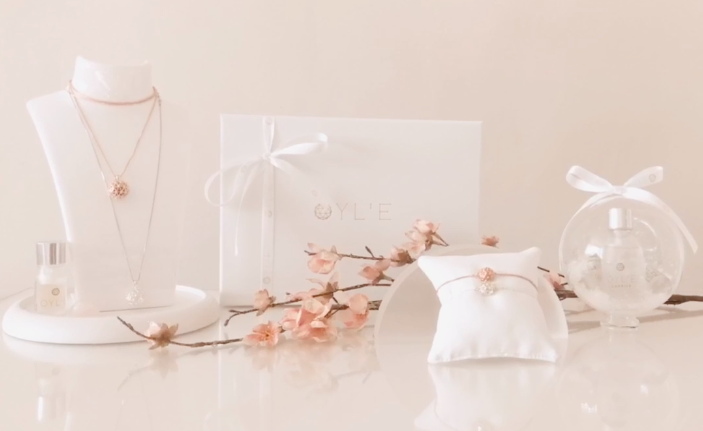
You can read more about OYL’E & their beautiful, holistic jewellery here
A Guide to Aromatherapy & Essential Oils for Beginners:
Understanding Aromatherapy
Aromatherapy is a holistic healing treatment that uses natural plant extracts to promote health and well-being. Many of us are already utilising this therapy through inhalation, such as using candles and diffusers, or when applying massage oil.
The health of your body, mind and spirit can all be improved through the use of aromatherapy. When pure, unadulterated plant extract oils are used correctly, it can enhance both your physical and emotional health.
The Well-Being Benefits of Aromatherapy
The benefits of aromatherapy are immense. Sumera has found great success in managing stress, anxiety and menstrual pain. Many others have had success in:
- Managing pain
- Stress, anxiety and agitation reduction
- Alleviation of the side effects of chemotherapy
- Easing the discomfort of labour
- Improved sleep quality
- Fighting bacteria, viruses and fungus
- Treating headaches and migraines
Understanding Essential Oils
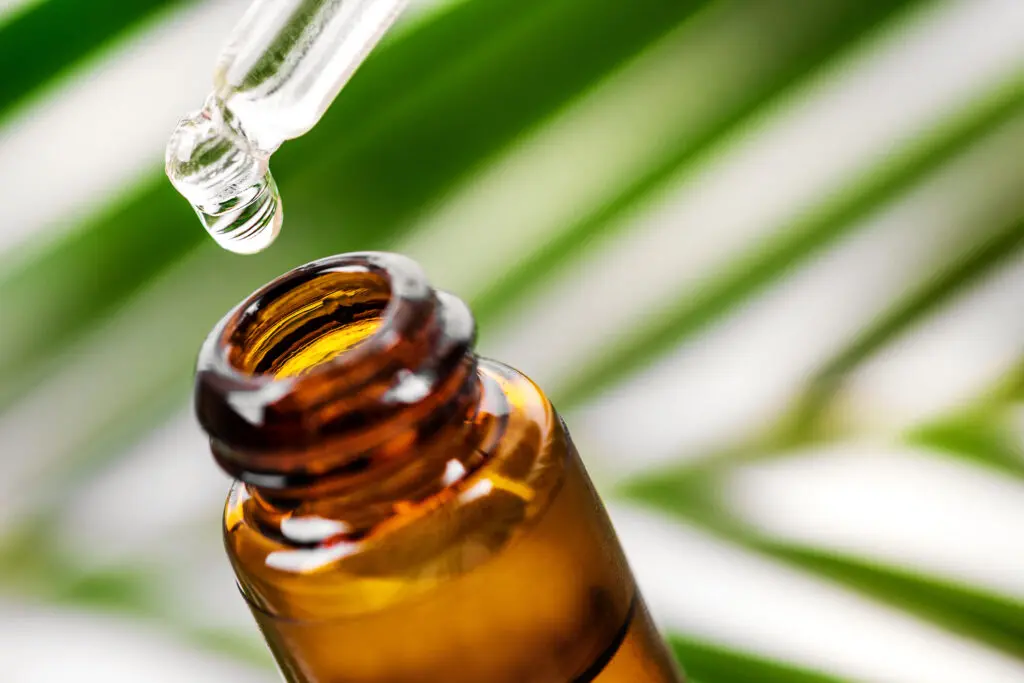
Essential oils are extracted from different parts of flowers, plants and the skin of some fruits. The oils can be extracted through a process known as distillation or expression and some will be extracted simply through pressing.
Inhalation is the most common and quickest way to use essential oils. When essential oils are inhaled, the molecules are absorbed by the hair in your nostrils. The receptors then send this information to your limbic system through the olfactory bulb. This is where your emotions are triggered, so always find a scent that you ‘like’ or which brings you happy thoughts.
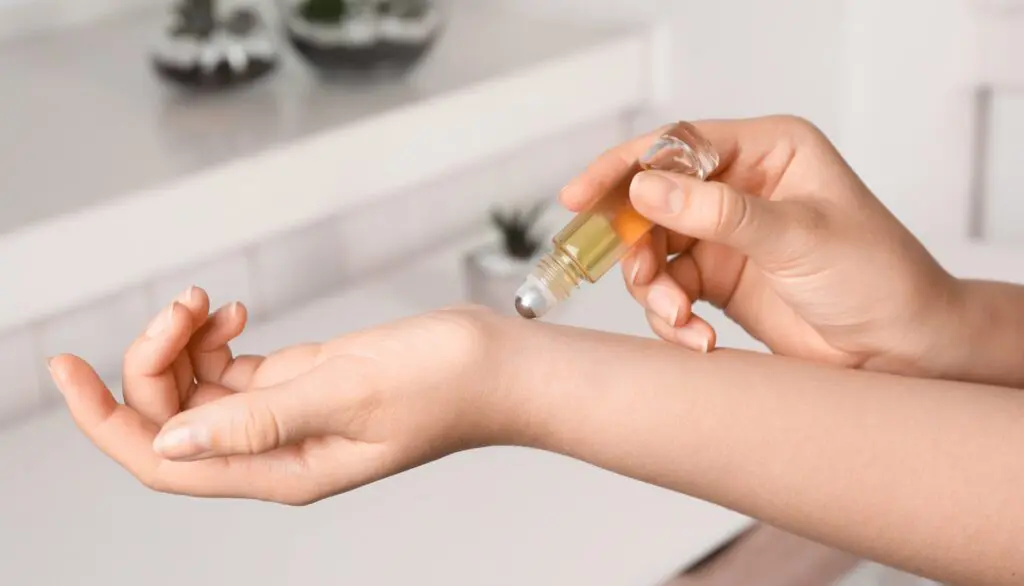
Essential oils can also be applied to your skin. Through massage (with the use of a carrier oil*), they are absorbed through the pores and hair follicles reaching into the blood stream. Dispersing to different organs, within 20 minutes they will have reached the peak all over the body.
*It’s very important to ensure you use a carrier oil when applying a pure essential oil to your skin. More on carrier oils in a moment.
Good to Know: Before using any holistic therapy always reach out to the therapist for a consultation. Research via a regulated body such as the IFA (International Federation of Aromatherapists) or The Aromatherapy Council or The Complementary & Natural Health Care Council
So now we understand what aromatherapy and essential oils are, let’s look at where we begin.
Where to start
– Check the provenance and ingredients
Firstly, quality and sustainability are very important when it comes to purchasing essential oils. The climate and cultivation methods are something to always consider when searching for a particular oil. Always read the brand’s ethos on sustainability and note their awareness of this topic.
Top Tip: To avoid overuse of endangered essential oils try to bypass ‘trends’ and research oils that can offer the same therapeutic benefits.
You will commonly see terms such as, ‘organic’, ‘pure’, ‘CTPG certified’ and ‘natural’ which can be misleading so take a moment to verify the claims.
The important part is to read the fine print – the ingredients – listed on the label. Every essential oil should have its Latin name printed on the bottle for clarity and safety. For example, lavender is ‘Lavandula angustifolia’, lemon oil is ‘Limone’. This is the best way to ensure the ingredients are ‘clean’ and not a synthetic fragrance of the oils or hydrosols. Also, read any ‘other’ ingredients to check purity.
Good to know: At OYL’E, Sumera was firm on sourcing the oils from UK suppliers, who offered transparency of their testing, the use of GC or GC/MS technology**, plus full disclosure of the cultivation and climate (country) the oil was sourced from.
Top Tip: To test the purity of essential oil, place a drop on a non-printed, clean piece of paper. If the oil disperses leaving no trace behind, this will tell you the oil is not adulterated.
**A GC/MS report is the fingerprint of any particular batch of essential oil. The report is like a blood test for a human. It shows us the unique identity and properties of the oil. Essential oil GC/MS reporting shows us all the chemical components that make up the oil.
– Application
Inhaling pure unadulterated essential oils works much faster and can provide the best therapy for emotional stresses.
You can also apply essential oils topically via skin massage or applied to pulse points. Essential oils are mixed with a carrier oil, to protect the skin barrier. This method is best to combat deep physical and external ailments, such as muscle pain, fatigue and nerve pain.
“ Carrier oils are pretty simple to come by and are great for making your own blends for massage, for scent or to apply to pulse-points. For the face, my favourite carrier oils to mix in are Rosehip, Almond and Vitamin E and for all over body application any of these including coconut oil”
Sumera Shamim
– Usage
It is always best to exercise caution on how often you use essential oils. We can become sensitised with overuse and oils lose their effectiveness when we cannot smell them as we should.
Did you know? Essential oils are used in surgery around the world and for post-operative healing which demonstrates how potent they can be.
When it comes to using essential oils, Sumera recommends:
- Start slow. Start with 2% dilution or one drop
- Experiment by trying different ones. Why not swap Lavender for Lemon, Frankincense, Rosemary or Ylang Ylang, just as an example.
- Find one that makes you feel happy, calm and grounded.
- Only use as and when needed
- Take breaks in between uses. For example, only use on a day where you believe it is likely to be stressful or try 2-days on and then 2-days off.
Choosing essential oils to meet your needs
For Sleep: Vetiver and Valerian. These are sleep inducers and have sedative affects.
For Stress: Vetiver, Lavender, Ylang Ylang and Lemon oils are great. They are uplifting, calming and help combat increased cortisol levels.
To relieve anxiety (calm): Cortisol and adrenaline are released into the bloodstream to prepare the body to fight or flee danger when anxiety attacks. Clove, Helichrysum, Lavender, Lemon, Rosemary, Neroli and Roman Chamomile can help with balancing both.
During pregnancy: Lemon, Lavender, Cedarwood and Frankincense are safe oils to use diluted. These are extremely helpful to ease any nausea and are calming too.
For increased energy: All citrus oils are great for a mood and energy boost. Sumera recommends peppermint as it’s clarifying, it opens the airways and cleanses the sinuses which is important for increased energy.
Sumera recommends:
“I love Ylang Ylang and Palma Rosa which are aphrodisiac oils. I love wearing them for date nights or as a couples massage. I personally wanted a toxic-free perfume option and created the Rosà blend.”
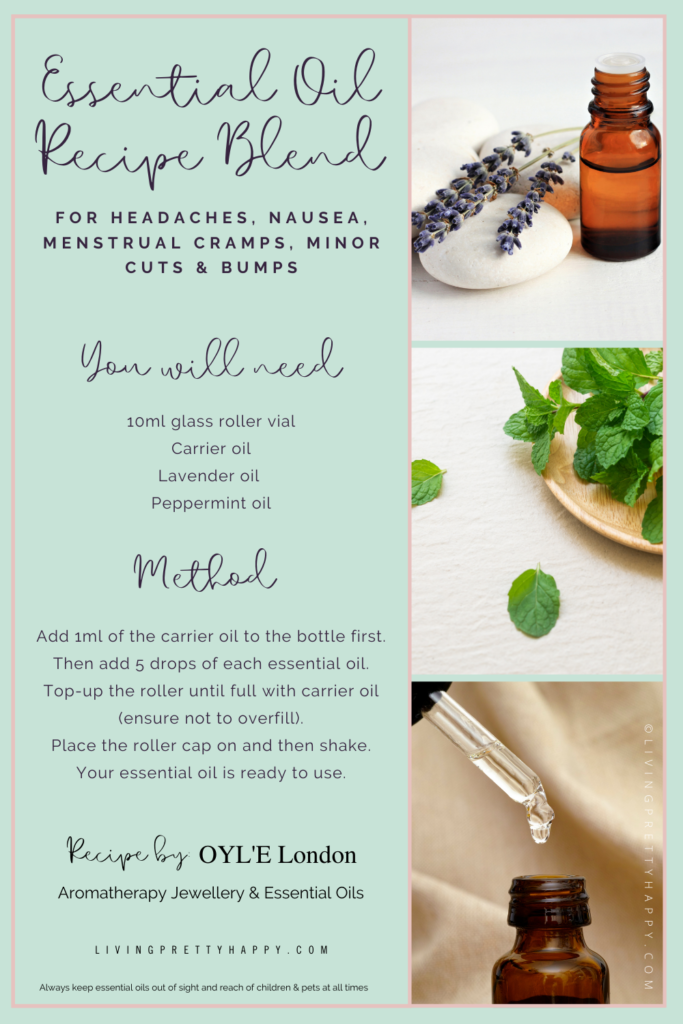
Create your own blend! Here’s an essential oil recipe for beginners…
Sumera’s advice: ‘Experiment and dilute, dilute, dilute! I really want to emphasise the importance of not getting too caught up in the worrisome ‘articles’ out there about essential oils. Apply common sense in everything you do and remember, a little goes a long way! Always use safety guidelines but enjoy the process.’
This is Sumera’s most simple, everyday easy blend, which she loves keeping close by:
Beautiful jewellery with a wonderful well-being secret: OYL’E London Aromatherapy Jewellery
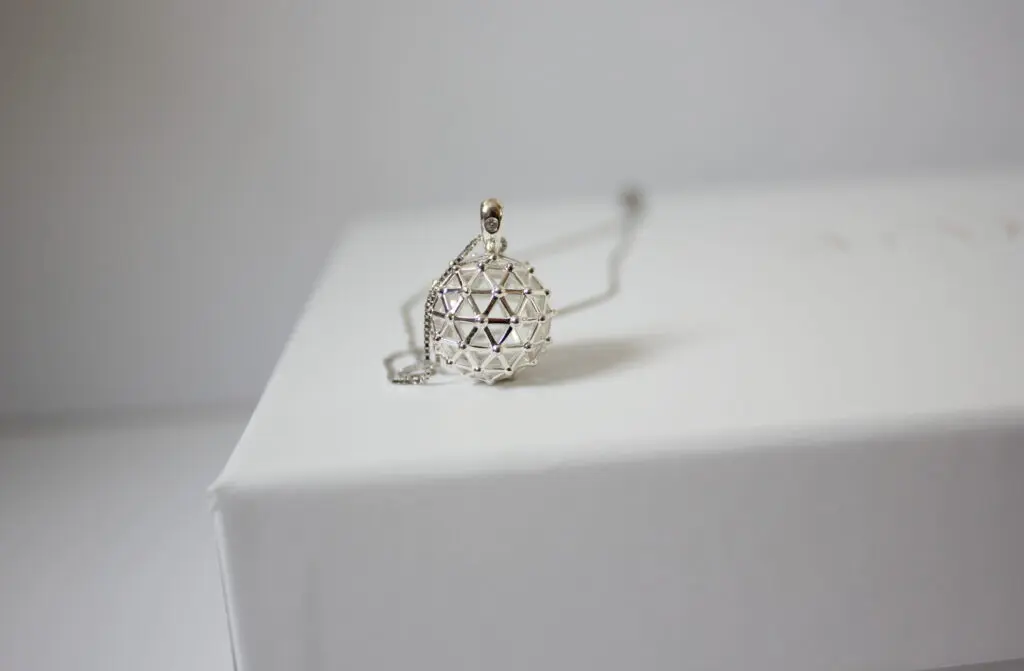
Since their first day, OYL'E LONDON has been offering their customers the best selection of aromatherapy diffuser necklaces, bracelets and essential oil products of luxurious design and quality. They ensure a continuous variety of pure therapeutic essential oil blends along with unique diffuser pendants.
If you’d like to harness the power of aromatherapy, Living.Pretty.Happy readers can receive an exclusive 10% OFF their OYL’E London jewellery purchase with code LPH10. Treat someone special (including yourself!) here
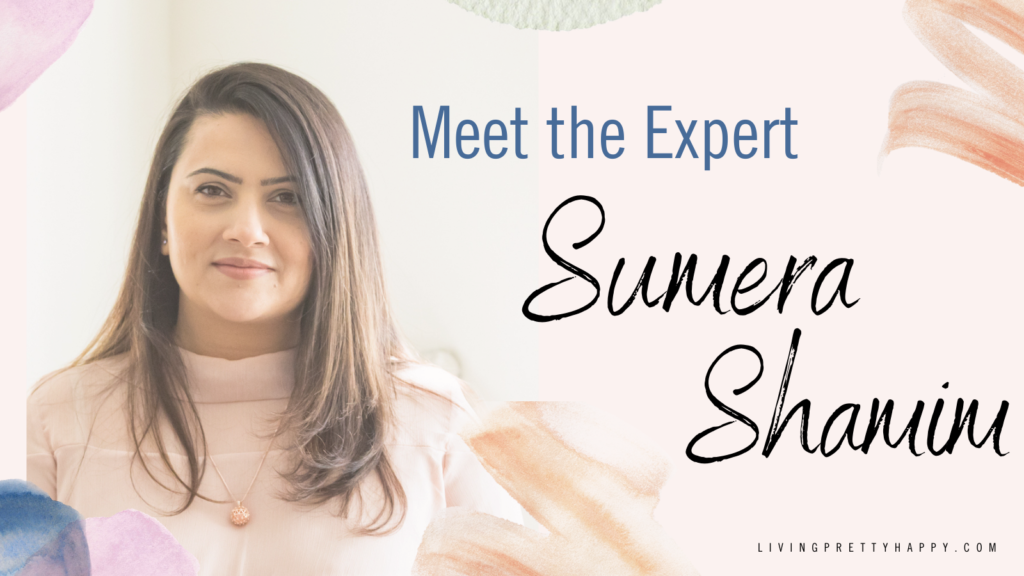
Sumera is passionate about aromatherapy and founded her brand OYL’E London in 2019. She left her city job before the arrival of her son almost a decade ago and took it upon herself to find a more holistic approach to her lifestyle.
Sumera has since taken further studies to learn about the use of Essential Oils for wellness. She has two young children whom she says are her reason to pursue the brand and business further. “I found my calling in bringing ideas to life and finding a more sustainable, holistic way to share them with others. It is important to me that my children see that self-care also means, being self-determined to find our own path in life, which serves us well and others.”
You might also like: Sleep Well – How to Win at Sleeping and Why You Should Want to!

I’d like to thank Sumera for all her expert tips and advice. I hope you’ve found our guide to aromatherapy and essential oils for beginners helpful? Do you currently use essential oils? Whatever you’d like to say – or ask – simply leave me a message in the box below. I’m happy to help and I always love to hear from you!
ADVERTISEMENT:


I knew about aromatherapy, but I didn’t know aromatherapy diffuser necklaces and bracelets were a thing! Wow! An amazing and easy to follow guide Alex, plus it’s really useful to know which essential oils help with specific issues. Thanks for this.
Gemma x
https://www.thegutchoice.com
Yes, they are so clever and a beautiful pieces of jewellery too! Thanks Gemma that is very kind of you to say and I’m pleased you found it useful xx