
News anxiety is becoming an increasingly common experience. Many of us want to stay informed about what’s happening in the world, but the constant stream of negative news can leave us feeling stressed, helpless, and emotionally exhausted.
It’s such a sad fact that negative news is everywhere we turn right now.
In many ways, it has always been this way. The world has never been short of challenges, conflicts, disasters, or tragedies. Yet lately, it feels different. Perhaps it’s because news now follows us everywhere we go. It arrives on our phones, appears in our social media feeds, pops up as notifications, and is available twenty-four hours a day. There is very little escape.
It’s not that people didn’t care historically. Of course, they did. But I don’t believe “the state of the world” occupied quite the same place on our list of daily worries as it does today. Global events mattered, but they weren’t necessarily sitting front and centre in our minds every hour of every day.
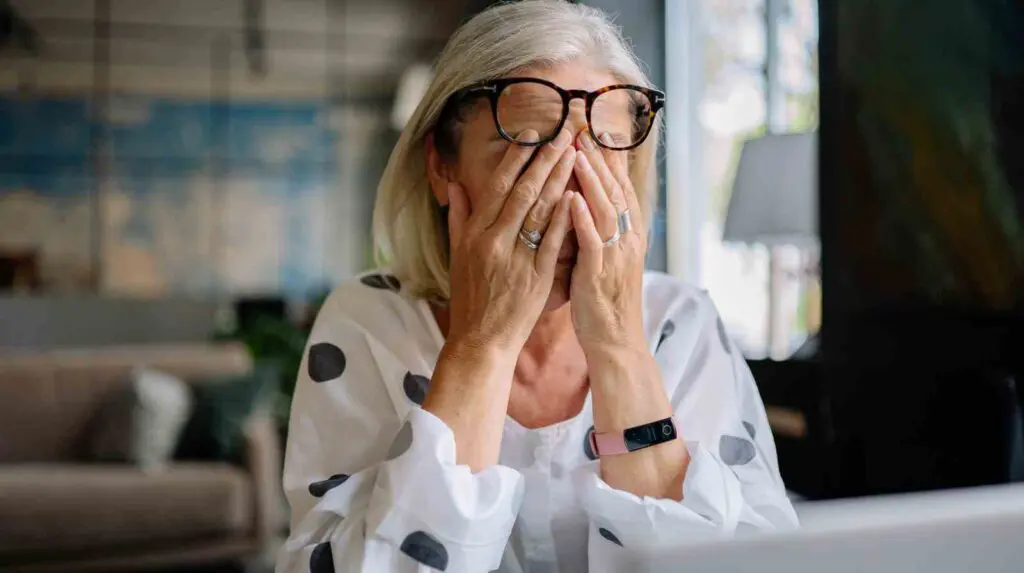
I can literally feel my body tense as I scroll through the headlines. Open almost any news app, and you often have to search hard to find something positive. War, political division, economic uncertainty, climate concerns, violence, injustice — the list goes on. Whilst I know I’m more informed by reading about these things, I can’t deny the mental and physical weight that often comes with it.
To be clear, I’m not advocating burying our heads in the sand. I believe strongly in the importance of educating ourselves, understanding different perspectives, and staying informed through credible, authoritative sources rather than social media rumours or sensationalised posts. Ignorance helps no one.
But neither does worrying yourself into a breakdown.
Finding balance is imperative.
In this post, you’ll discover:
- Why negative news affects us so deeply
- The psychology behind doomscrolling
- Signs you may be experiencing news anxiety
- Practical ways to reduce overwhelm
- How to stay informed without sacrificing your well-being
What Is News Anxiety?
News anxiety refers to the feelings of stress, worry, fear, or overwhelm that can arise from consuming large amounts of distressing news content.
It isn’t necessarily caused by one specific story. More often, it’s the cumulative effect of being exposed to a constant stream of negative information over time.
You may notice symptoms such as:
- Feeling tense after reading the news
- Difficulty switching off from world events
- Increased worry about the future
- Trouble sleeping
- Feeling helpless or powerless
- Compulsively checking for updates
- Struggling to focus on your own daily life
For some people, these feelings can become significant enough to impact their overall well-being.

Why Do We Doomscroll?
If negative news makes us feel worse, why do so many of us keep scrolling?
The answer lies partly in how our brains are wired.
Humans evolved to pay close attention to potential threats. Thousands of years ago, noticing danger helped keep us alive. Our brains still prioritise information that appears threatening because it may require action.
Psychologists often refer to this as a “negativity bias” — our tendency to pay more attention to negative information than positive information.
Unfortunately, modern news feeds can exploit this tendency. Distressing stories naturally attract attention, clicks, shares, and engagement. Before we know it, we’ve spent thirty minutes reading increasingly upsetting stories despite knowing they’re making us feel worse.
This habit has become so common that it now has a name: doomscrolling.
The more we scroll, the more anxious we feel. The more anxious we feel, the more we seek information to regain a sense of control. The cycle can become surprisingly difficult to break.
How Constant Negative News Affects Our Well-being
Occasionally consuming upsetting news is part of being an informed citizen. The problem arises when exposure becomes relentless.
Research suggests that repeated exposure to distressing news can increase feelings of stress, anxiety, fear, and helplessness. It can also affect sleep quality, concentration, mood, and even physical symptoms such as muscle tension or headaches.
When we spend large amounts of time focused on problems we cannot directly influence, our nervous system can remain in a heightened state of alertness. Over time, this takes a toll.
The goal isn’t to stop caring. The goal is to care sustainably.
8 Ways to Cope With News Anxiety
1. Give Yourself Permission to Take a Break

You do not need to be connected to the news twenty-four hours a day to be an informed person.
Consider setting specific times to catch up on current events rather than checking headlines throughout the day. Many people find it helpful to avoid news first thing in the morning and in the hour before bed.
Protecting your mental space isn’t selfish. It’s sensible.
2. Be Selective About What You Click On
Not every headline deserves your attention.
If you know certain topics are particularly triggering or distressing, it’s okay to approach them cautiously. Staying informed doesn’t mean exposing yourself to graphic images, endless commentary, or speculative content that leaves you feeling worse without adding meaningful understanding.
Ask yourself: “Is this helping me understand the issue, or is it simply increasing my distress?”
3. Choose Balanced and Trustworthy News Sources
Quality journalism matters.
Look for outlets that prioritise accuracy, context, and evidence rather than outrage and sensationalism. The most helpful reporting informs and educates. It doesn’t simply provoke emotional reactions.
No news source is perfect, but seeking balanced reporting can help reduce the emotional rollercoaster that often comes with click-driven content.

4. Intentionally Seek Out Positive News Too
The world contains kindness, innovation, courage, and progress alongside its problems.
Yet positive stories rarely receive the same attention as negative ones.
One simple habit that has helped me is actively seeking out positive news alongside mainstream coverage. I particularly enjoy reading Positive News and Good News Network because they remind me that good things are happening too.
This isn’t about ignoring reality. It’s about seeing the full picture.
5. Talk About How You’re Feeling
Sometimes the weight of world events becomes heavier because we’re carrying it alone.
If the news is affecting your mental health, talk to someone you trust. Share your concerns with a friend, family member, partner, or support network.
Simply verbalising our worries can make them feel more manageable and less overwhelming.
6. Take Meaningful Action

Feelings of helplessness often fuel news anxiety.
Whilst we cannot solve every problem in the world, we can contribute in ways that align with our values.
That might involve:
- Volunteering locally
- Donating to a trusted charity
- Supporting community initiatives
- Contacting elected representatives
- Raising awareness about causes you care about
Action transforms passive worry into purposeful engagement.
7. Bring Yourself Back to the Present Moment
When anxiety spirals, it often pulls us into imagined futures.
A simple grounding exercise can help.
Pause and take a slow breath.
Notice:
- Five things you can see
- Four things you can touch
- Three things you can hear
- Two things you can smell
- One thing you can taste
Then gently remind yourself:
“Right now, in this moment, I am safe.”
This won’t solve global problems, but it can help calm your nervous system and reconnect you with the present.
8. Acknowledge Your Humanity
This may be the most important reminder of all.
Caring deeply about the world is not a weakness. In many ways, it’s a reflection of compassion.
However, it’s easy to slip into feeling responsible for fixing everything or guilty for not doing more.
The truth is that you are one human being.
You are allowed to care without carrying the weight of the entire world on your shoulders.
You are allowed to take breaks.
You are allowed moments of joy even while difficult things are happening elsewhere.
Protecting your wellbeing does not mean you care less. It simply means you’re recognising your limits and treating yourself with the same compassion you would offer someone else.

Finding a Healthier Balance
The world has always faced challenges, and there will always be difficult stories that deserve our attention. Staying informed remains important. Understanding what’s happening around us helps us make better decisions, support important causes, and participate meaningfully in society.
But there is a difference between being informed and being consumed.
If you’ve been feeling overwhelmed by the constant stream of negative headlines, know that you’re not alone. News anxiety is a very human response to a world that can sometimes feel relentlessly heavy.
Stay informed. Stay compassionate. Stay engaged.
But remember to look after yourself too.
The world needs caring people — and caring people need rest.
I hope you’ve found my 8 ways to cope with news anxiety helpful. Do you have any other helpful ways you’d like to share? Whatever you’d like to say – or ask – please do. I’m happy to help, and I always love to hear from you.
Source References:
- American Psychological Association – Stress in America Reports
- Harvard Health Publishing – Managing Anxiety and Stress from the News
- Mind UK – Anxiety and Mental Wellbeing Resources
- Positive News
- Positive News Network