

You might have expected to feel better as soon as the temperatures dropped. Yet if you’re still feeling unusually tired, sluggish or struggling to concentrate, you’re certainly not alone.
Many people notice that the effects of a heatwave don’t simply disappear when the weather cools. In fact, your body can take several days to recover from prolonged exposure to high temperatures, especially if you’ve become mildly dehydrated or missed out on quality sleep.
Recent data from Healthwords.ai found a 621% increase in heat-related health queries between April and June, with fatigue, dizziness and dehydration among the most common concerns. The findings highlight just how much hot weather can affect our wellbeing—even after the heat has passed.
In this article, we’ll explore why heatwave fatigue happens, how long recovery may take, and the simple steps that can help you feel like yourself again.
Why does a heatwave leave you feeling so exhausted?

Feeling drained during hot weather isn’t simply because you’re uncomfortable. Your body has to work much harder to keep itself at a safe temperature.
When temperatures rise:
- Your heart pumps harder to circulate blood.
- Blood vessels widen to release heat.
- You sweat more to cool your body.
- Water and essential electrolytes are lost through perspiration.
According to Dr Tom Maggs, Chief Medical Officer at Healthwords.ai, even mild dehydration can leave you feeling tired, lightheaded and lacking energy. Add several restless nights caused by hot, humid bedrooms, and it’s easy to see why fatigue can continue long after the weather improves.
Signs your body may still be recovering
Heatwave fatigue doesn’t always look the same for everyone.
Some of the most common symptoms include:
- Feeling unusually tired or lacking motivation
- Headaches
- Dizziness when standing
- Difficulty concentrating
- Dry mouth
- Increased thirst
- Muscle cramps
- Feeling generally sluggish
While these symptoms are often mild, they can still have a significant impact on your day, making everyday tasks feel much more difficult than usual.
Why dehydration isn’t always obvious
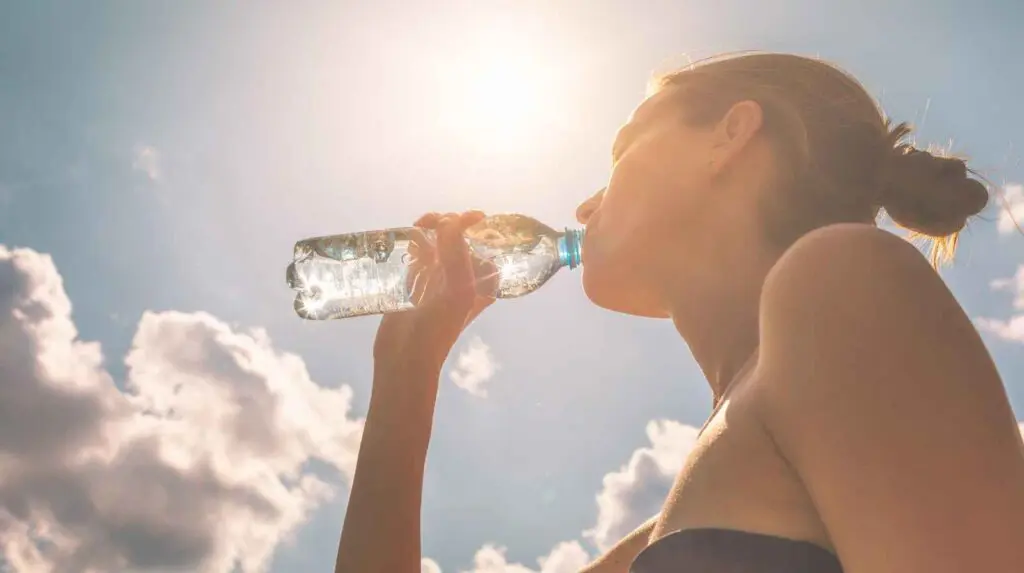
One of the biggest misconceptions is that thirst is the first warning sign of dehydration.
In reality, by the time you feel thirsty, your body may already be lacking the fluids it needs to function properly.
Even mild dehydration can affect:
- Energy levels
- Mood
- Memory and concentration
- Physical performance
- Sleep quality
Older adults, young children and anyone who has been exercising or working outdoors are particularly vulnerable, but dehydration can affect anyone during periods of prolonged hot weather.
Five simple ways to recover after a heatwave
The good news is that most people recover from heatwave fatigue with a little extra care and rest.
1. Keep drinking water throughout the day
Rather than waiting until you feel thirsty, sip water regularly. Consistent hydration helps your body gradually replace lost fluids.
2. Replace lost electrolytes
Sweating doesn’t just mean losing water—you also lose important minerals like sodium and potassium. If you’ve spent long periods outdoors or have been sweating heavily, replacing electrolytes alongside fluids may help your recovery.
3. Catch up on quality sleep

Poor sleep is one of the biggest contributors to lingering fatigue.
Try to:
- Keep your bedroom as cool as possible.
- Close curtains during the hottest part of the day.
- Avoid vigorous exercise close to bedtime.
- Stick to a consistent sleep routine.
Even one or two nights of better sleep can make a noticeable difference.
4. Don’t rush back into strenuous activity
If you’ve been feeling drained, give yourself permission to ease back into exercise gradually.
Gentle walks, stretching or light movement can help without placing extra stress on your body.
5. Continue eating nourishing meals

When it’s hot, many people lose their appetite. As temperatures cool, focus on balanced meals containing protein, whole grains, fruit and vegetables to help replenish nutrients and support recovery.
When should you seek medical advice?
Most cases of heat-related fatigue improve within a few days with hydration, rest and cooling down.
However, it’s important to seek medical advice if you experience:
- Persistent dizziness
- Fainting
- Confusion
- Vomiting
- Symptoms that worsen instead of improving
These could be signs of heat exhaustion or, more seriously, heatstroke, which requires urgent medical attention.
Small habits can make a big difference when it comes to heatwave fatigue
While we can’t control the weather, we can support our bodies through periods of extreme heat.
Simple habits—like drinking water regularly, recognising the early signs of dehydration and allowing yourself enough time to recover—can help reduce the lingering effects of a heatwave.
If you’re still feeling more tired than usual a few days after the temperatures have fallen, remember that your body may simply be catching up after working overtime to keep you cool. With plenty of fluids, rest and a little patience, your energy should gradually return.
Have you been experiencing heatwave fatigue? What have you done to help combat it? Whatever you’d like to say – or ask – please do. I’m happy to help and I always love to hear from you.