

Helpful, supportive, attentive – all noble qualities to have as a human being. It’s a great feeling knowing you’re there for others; it can make you feel more connected, give you purpose, and increase your sense of achievement. Helping others is undoubtedly good for your well-being.
However, doing too much of any of those things can be detrimental, particularly if your motives are less altruistic and more driven out of fear of rejection or negative judgement. That’s when it becomes something rather toxic.
It’s most commonly known as people-pleasing, and unfortunately, far too many of us can list it on our life CV. I know from my own experience how damaging it can be and how much courage is needed to overcome it. However, I also know that you can ditch any unhelpful people-pleasing behaviours with time and practice and start to live happier!
What is people-pleasing?
Quite simply, people-pleasing is when we continually do things to help others to the detriment of ourselves. For example, you often work through lunch breaks to help colleagues handle their workload, even though your workload pushes you to work longer hours as it is. Or, you say yes to doing something even though you don’t want to do it. There are multiple ways to people-please.
How do you know when being nice turns into people-pleasing?
In my opinion, the best way to tell if you’re people-pleasing is how you feel about what you are being asked. I had a friend who I would only ever hear from when they needed a favour. I knew they were using me, but I couldn’t bring myself to say no to whatever they were asking. I didn’t want them to think badly of me, and so even though I resented saying yes, I would do it anyway.
When we genuinely want to help, we feel good about it. When we’re people-pleasing, we’ll feel negative emotions such as anger, frustration, anxiety, stress, pressure, etc.
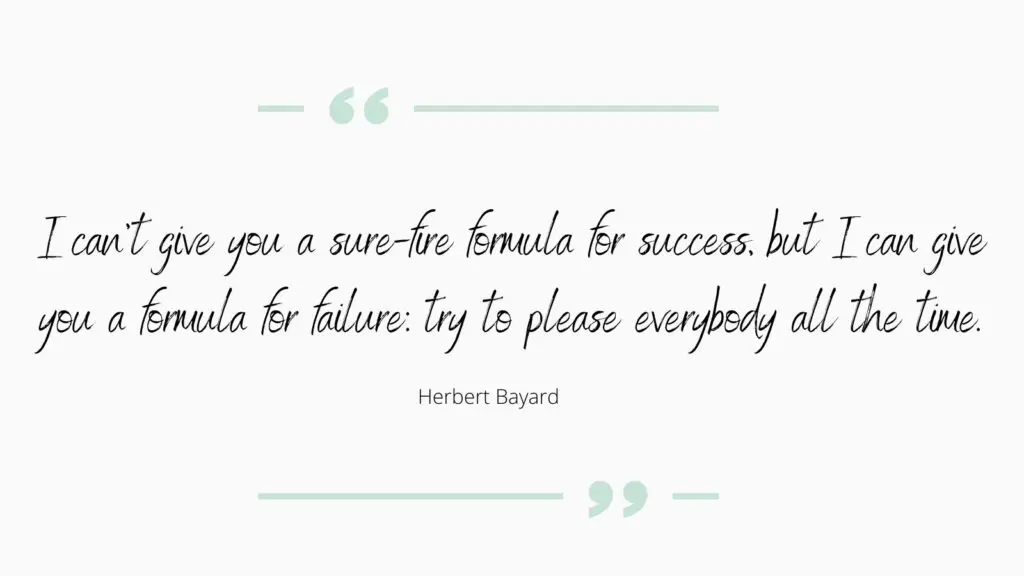
What makes us people-please?
There are many reasons why we tend to people-please. As early as pre-historic times, we had a hardwired need to fit in, to be accepted. In those times, not fitting in meant you didn’t survive, and although hundreds of thousands of years have passed, we’re still wired that way. Our brains haven’t caught up with the reality that rejection is no longer a life or death situation.
Most often, people-pleasing stems from childhood or early-life experiences, times when you were conditioned that being good and making others happy was the only way to acceptance, validation, popularity and respect. It can also stem from poor self-esteem, insecurities and perfectionist tendencies.
Whatever the reason, full-on people-pleasing is harmful to you. It’s certainly not a means to help yourself thrive. If anything (and as bizarre as this may seem), you’re not helping others either, especially if you’re enabling them not to take responsibility for their own lives.
How to stop people-pleasing
#01 Set Healthy Boundaries
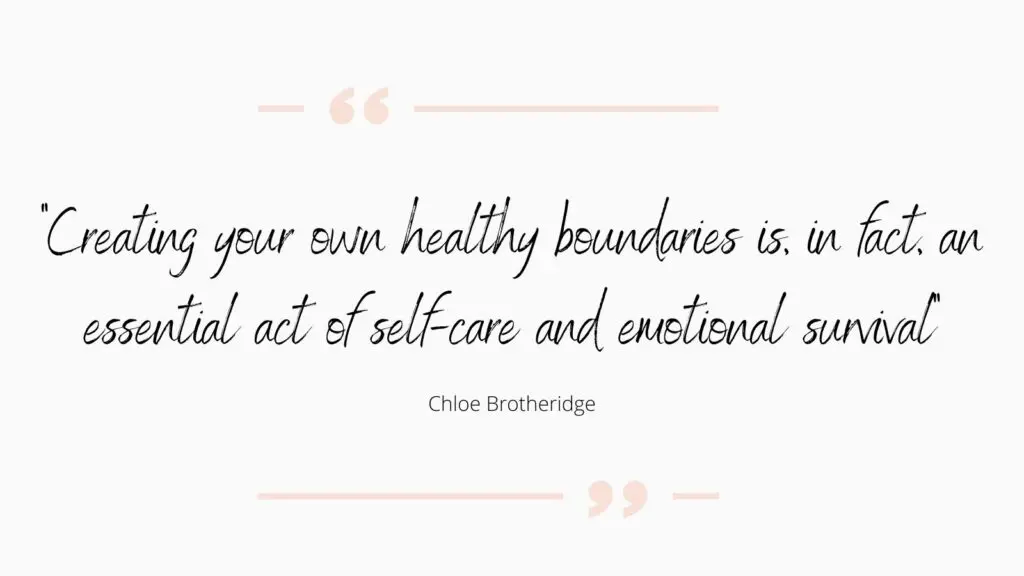
It’s time to work out what is and isn’t OK with you. Be open and honest with yourself. Potential boundaries could include:
- Not letting work cut into family time
- Who you’re prepared to lend money to
- How much time you’re prepared to free up for certain people
- Not engaging in activities that are detrimental to your mental health
The list can go on and on and is unique to you, but in creating these boundaries, you’re allowing yourself to manage your energy better. Boundaries are an excellent framework for healthier, more positive and better-connected relationships with others, and they’re a helpful way to identify who, up until now, has been potentially taking advantage of you not having them.
Your boundaries are your safety net guiding your decisions; having them will naturally build your confidence and put you truly in the driving seat of your own life.
#02 Care Less About What Others Think
A measured amount of concern about what others think can be helpful; it’s an aid to developing as a person. However, it becomes an issue when it causes you to not stand up for yourself, hold back, or not ask for what you need.
The truth is you will never control the perception others have of you. Research has demonstrated that people make their first impression of you within milliseconds – milliseconds – your people-pleasing self doesn’t stand a chance. So it’s best just to be you; the alternative will always lead you down an unadvisable path that will be neither clear nor fulfilling.
Start to focus on how you feel and what you think – after all, these are the only thoughts and feelings you truly have command over. Try positive self-talk, use affirmations, shift your time to building connections with people with whom you can be your authentic self, and stop judging yourself so harshly; you’re much more awesome than you give yourself credit.
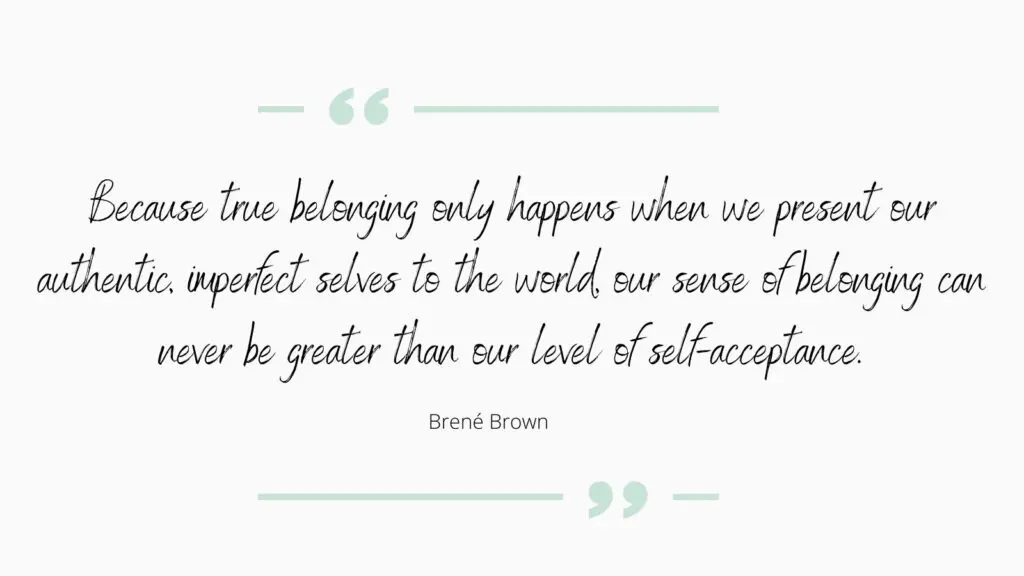
#03 Know What You Want
Just because you’re going to stop people-pleasing doesn’t mean you’ll become a selfish, reclusive person. As I said at the beginning, helping, supporting, and giving are all things that boost society and your well-being. The key is to know what you want to be involved in.
This printable prompt sheet will help you work out what you want:
#04 Learn to Be Comfortable With Saying No
Perhaps it’s good to know that when someone is asking something of you, you always have a choice as to how you respond. ‘No’ is an entirely acceptable response and also, I might add, a complete sentence. No. See?
There are gentler ways of saying ‘no’, granted. You might be more comfortable with: ‘I won’t be able to make it’ ‘unfortunately, I’m at capacity’, or, ‘I’m unavailable, but thank you for thinking of me’.
It’s important not to place such negative energy on the word itself; it isn’t wrong if it’s coming from a good place. Something I’ve been doing is focusing on what saying ‘no’ is allowing me to say ‘yes’ to. For example: saying ‘no’ to going on the costly hen/bachelorette weekend with people I hardly know means I’m saying ‘yes’ to investing my time and money into more fulfilling and contenting things.
Good to know: You can learn more about how to say ‘No’ here.
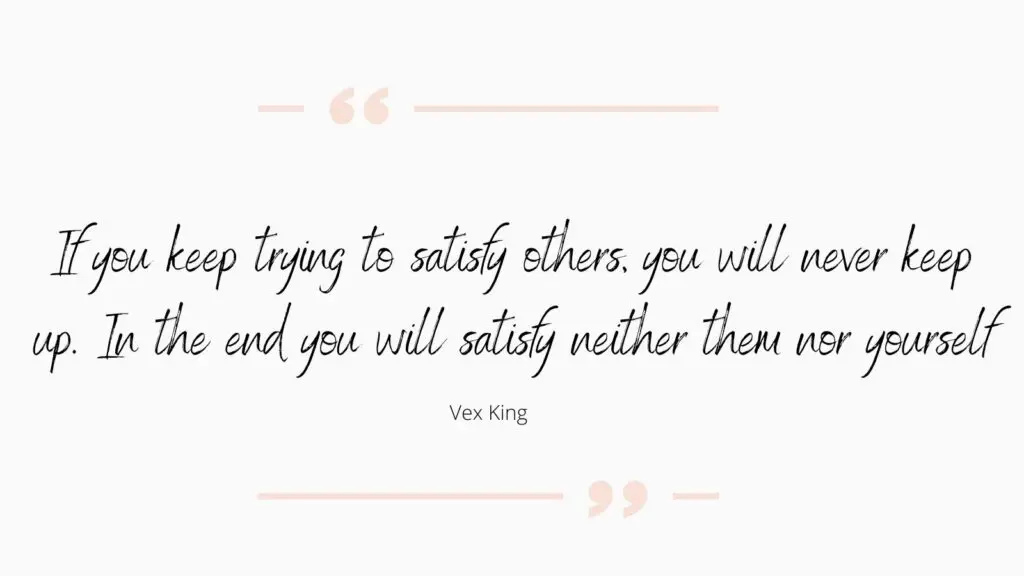
Additionally, don’t feel under pressure to answer a request straight away; buy yourself some time. We make much better decisions when we give ourselves space to think. “Let me get back to you on that” or “I’ll check my diary and let you know” are helpful time gainers.
#05 Build up your self-esteem
You will never feel genuinely approved of unless you approve of yourself. When you feel secure, loved and valuable within yourself, needing to please others matters less; it’s a more advantageous position to be in.
I’ve shared my self-esteem boosting tips here: 5 Ways to Build Up Your Self Worth.
Bonus Tip: Start Small
I know how daunting it can be to stop people-pleasing. It took me a long way out of my comfort zone. Therefore, start small. Get your practice in (and your comfort zone expanded) on the smaller things first. When you see the world doesn’t end, you’ll have the confidence to keep going!
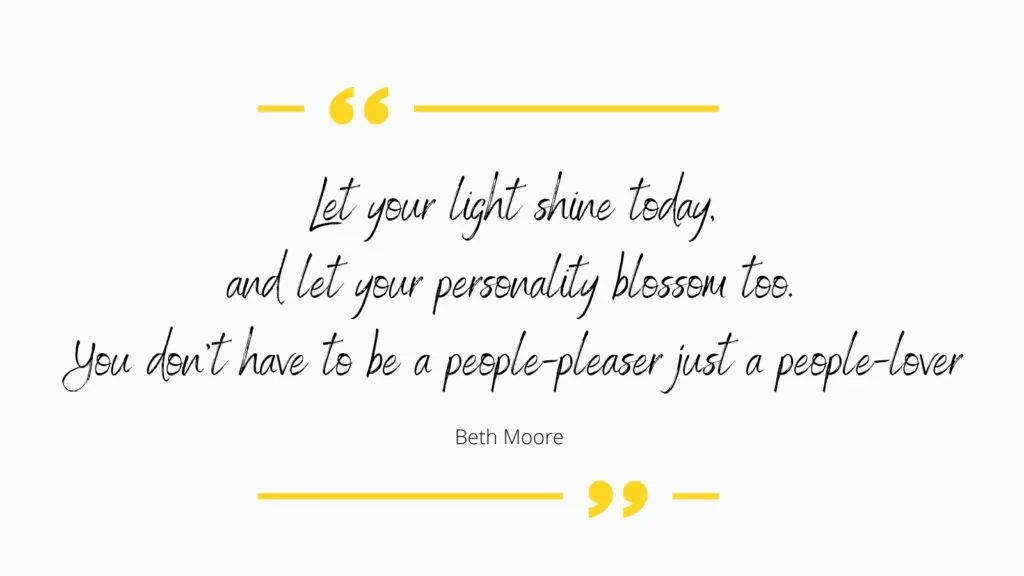
I hope these steps are helpful in enabling you to stop people-pleasing. Remember, these things take work and patience, but over time – and with repeated practise – you’ll notice how much more comfortable and content you feel in recognising your own needs and protecting your well-being.
You might also like: 8 Helpful Ways to Feel Better About Yourself
Do you people-please? Did you realise you were people-pleasing? Have you tried to stop people-pleasing before? Which of these tactics resonates most with you? Whatever you’d like to say, or ask, please do; just leave me a comment in the box below. I’m happy to help and I always love to hear from you!
Source References:
- Facial First Impressions of Partner Preference Traits: Trustworthiness, Status, and Attractiveness. Jennifer K South Palomares and Andrew W Young 2017 https://journals.sagepub.com/doi/10.1177/1948550617732388