
Recently I’ve noticed the claim – Paraben-free – on more and more of the beauty products I’ve purchased. Whilst knowing nothing about parabens, I naturally assumed it must be a positive said product was free of them. Congratulations shampoo, you’re free! Awesome job!
But this made me think. Did this mean paraben containing products are potentially harmful?
Before jumping on the ‘let’s boycott parabens’ bandwagon, I decided it was time to investigate…
So what are parabens?
Parabens are effective preservatives commonly used in many of the beauty products that frequent bathroom shelves. Their bacterial and fungicidal properties help to keep our products in tip top condition for the longest time possible. They stop the nasty stuff from growing that can be damaging to you. Especially helpful when products are stored in the moist, warm environments our bathrooms often provide.
Proven to work and low cost to produce – both massive contributing factors to explain why parabens are so common place. And no doubt why beauty companies have been using parabens for decades.
What is all the fuss about?
So far, it all sounds pretty harmless. However – if this is the case – why are beauty companies starting to look for natural alternatives? (*warning* this is the bit akin to typing a symptom into Google and ending up with the word cancer)
Basically, back in the early 2000’s, a UK-based study highlighted the presence of parabens within 19 out of 20 samples of tissue taken from breast tumor biopsies. The people behind the study advocated that exposure to chemicals that mimic estrogen (such as parabens) might have an impact in causing cancer.
However, the study didn’t conclusively prove the presence of parabens caused the cancer in the tissue samples taken. It only proved that parabens were detected among cancerous cells. Furthermore, no comparison was made to paraben levels found in normal tissue. There was no decisive evidence to conclude parabens are linked to breast Cancer.
Moving further into Europe…
A Danish study detected the presence of parabens in the blood and urine of healthy young males hours after applying paraben containing lotions. The study concluded since parabens could be absorbed and excreted, they potentially could contribute to adverse health effects.
In opposition, industry giants state the use of parabens is strictly regulated and monitored, ensuring consumers are protected. They argue the amount of paraben within each product is too low to be harmful. It concluded the parabens within products are relatively safe with only a negligible risk to the endocrine system.
Or are they?
Most anti-paraben groups argue the only existing toxicity data is from single exposure studies (1 type of paraben in 1 type of product). What if you use more than one paraben containing product every day?
The Environmental Work Group conducted a survey showing the average adult consumer uses nine personal care products per day! Campaigners argue this ‘overloading’ of our bodies with parabens could contribute to a wide range of health problems.
For the moment though, this is only theory. The debate between the scientists, product safety regulators and cosmetic manufacturers continues on.
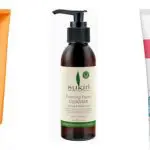
How can I tell if my products contain parabens?



Pingback: Recommended: Paraben-free skincare - Living.Pretty.Happy
This was really really interesting to read! The linked in list helps too! I haven’t considered parabens. But I do look out for sulphate free products which usually go hand in hand with paraben free too. Fantastic read! X
Thank you! I’m so pleased you found it interesting. Thanks for reading! x
I never knew what parabens were before, thanks for the clarification and balanced argument.
Thanks Rachel!
This is a great post introducing parabens and explaining why they could be bad for you. It’s just worth keeping in mind that companies have now developed many alternatives which work in the same way, to preserve the product but they are natural and not harmful at all. I personally avoid parabens as they are not really needed in any type of beauty product due to natural alternatives that exist out there.
Thanks Petra!
Pingback: Recommended: Multi-use Beauty Products - Living.Pretty.Happy