

ADVERTORIAL FEATURE: SPONSORED CONTENT
Before heading out on frosty morning walks, it’s worth considering whether your dog has enough protection from the cold. While some dogs cope well with lower temperatures, others can benefit from an extra layer to help them stay warm, dry and comfortable outdoors.
This sponsored feature explores what to look for when choosing a dog winter jacket, from insulation and fit to visibility and weather protection, so you can find an option that suits your dog’s needs and your local climate.
How to Choose the Right Dog Winter Jacket for Cold Weather Walks
Local conditions should guide the first decision. Dry, cold, near-freezing weather may call for modest insulation, while wind, sleet, or wet snow usually requires stronger protection. Early-morning outings often feel harsher because the air remains denser and surfaces retain the overnight chill. Regional patterns matter, yet coat density, body mass, and age can change what a dog tolerates during the same neighborhood route.
Check Insulation Level
Insulation should match both temperature and time outdoors. A quick relief stop needs far less loft than a long walk on icy pavement. Thin fleece may suit milder days above freezing, while padded fill helps conserve body heat in colder weather. When comparison shopping, many owners look for a warm dog jacket that traps heat without causing stiffness across the chest or shoulders.
Measure Before Buying
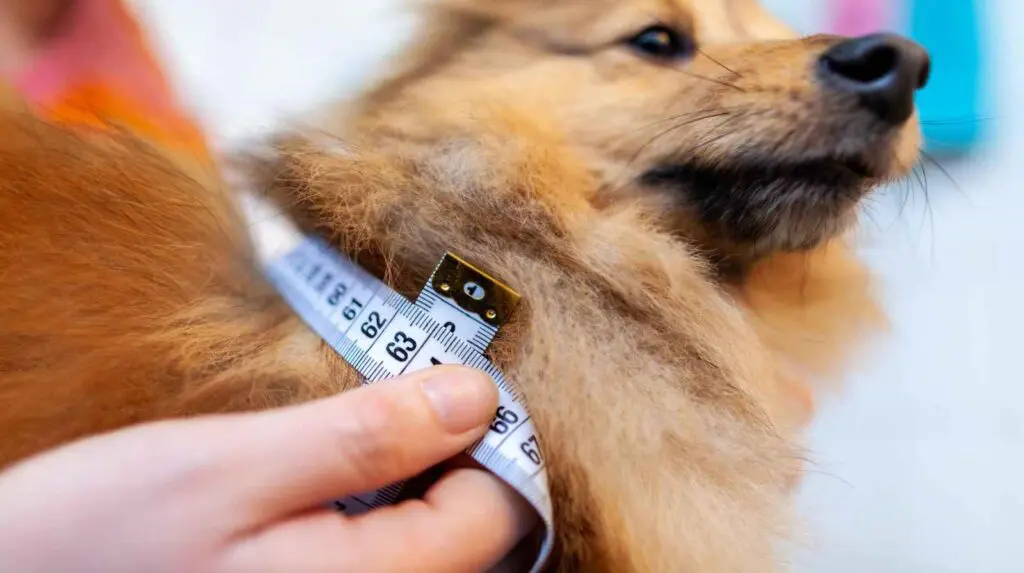
Accurate sizing starts with back length, chest girth, and neck circumference. Chest measurement usually matters most because dense fur can hide a narrow rib cage. A coat that appears correct from above may still press under the front legs. Proper numbers reduce chafing, shifting, and exposed gaps. Measurements taken while the dog stands evenly tend to produce the most dependable fit.
Watch Shoulder Movement
Warmth means little if motion becomes awkward. Front limbs should extend freely without fabric dragging across the chest. Restricted stride can increase muscle fatigue, shorten step length, and make a healthy dog seem reluctant. Better construction leaves room around the shoulders while protecting the core. A short trial indoors often shows whether buckles, arm openings, or panel shape interfere with natural movement.
Look for Belly Coverage
The underside loses heat quickly, especially in wind or slush. Some jackets end high along the ribs, leaving the abdomen exposed to snow splash and cold spray. Others extend lower while still staying clear of elimination. That balance matters for daily use. Extra belly coverage can help thin-coated dogs stay drier, calmer, and less reactive during messy winter walks.
Prioritize Water Resistance

Wet fabric stops insulating well once moisture reaches the inner layers. A lighter jacket can perform better than a bulky one if the shell blocks melting snow and wind gusts. Damp lining may chill the body during the return home, even after a comfortable start. Smooth outer material, tight seams, and a raised collar often improve protection in slush-heavy streets or windy open parks.
Choose Harness Access
Many dogs walk more securely with a harness, so the jacket design should work with that setup. A leash opening placed too far back can twist the jacket and create pressure across the spine. Some pieces fit over a harness, while others sit neatly beneath it. The best option depends on buckle placement, chest depth, and strap width. Easy access also shortens dressing time.
Use Visibility Features
Winter light fades early, and gray weather can hide a dog from drivers. Reflective panels improve detection near crosswalks, alleys, and parking lots, where movement can appear suddenly. Bright color can help handlers track a companion through snowfall or brush. Visibility aids support safety, yet they do not replace close supervision. Larger reflective areas usually perform better than tiny decorative strips.
Read the Dog’s Signals
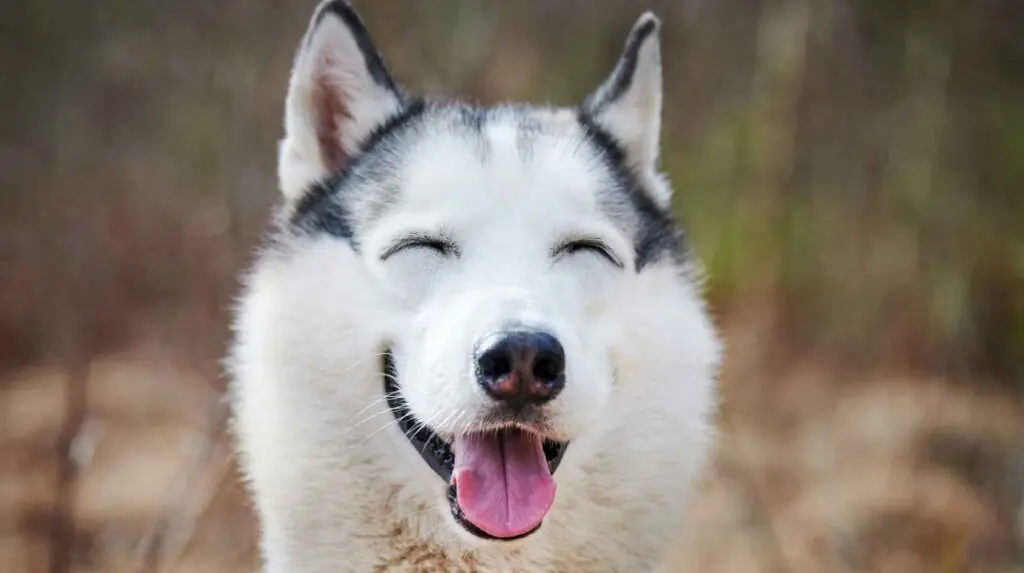
Behavior gives the clearest feedback after several outings. Shivering, paw lifting, slower pace, or repeated attempts to head home may signal a cold strain. Panting during light effort can suggest overheating or a coat that traps too much heat. Snow collecting inside the garment may point to a poor fit. A suitable jacket allows steady walking, relaxed posture, and normal curiosity outdoors.
Care Extends Performance
Routine cleaning preserves insulation and reduces skin irritation from salt, mud, and trapped debris. Dried residue can stiffen fabric, flatten fill, and make the next outing less comfortable. A quick rinse after slushy walks often prevents buildup. Fasten closures before washing so the shape stays more stable. Complete drying is important because damp storage can reduce performance and create an unpleasant odor.
Choosing the Right Dog Winter Jacket for Your Dog
A practical dog winter jacket serves a practical purpose, keeping body heat in, moisture out, and movement as natural as possible. Thoughtful choices about insulation, coverage, fit, and harness access can reduce cold stress during routine walks. Visible details add another layer of protection in dim weather. With clear measurements and close attention to behavior, owners can choose outerwear that supports comfort, safety, and steady activity through the hardest part of winter.