

ADVERTISEMENT FEATURE: SPONSORED CONTENT
Mental health is widely recognised as an important part of overall wellbeing, influencing how we cope with stress, sleep, work and relationships. This sponsored article explores different approaches to managing anxiety, including lifestyle changes and professional support, in an informational and educational way.
This article is for informational purposes only and does not constitute medical advice.
In this article, you’ll learn about:
- Lifestyle changes that may help manage anxiety
- Signs it may be time to seek professional help for anxiety
- Therapy and medication options for anxiety treatment
- How to build a balanced approach to managing anxiety
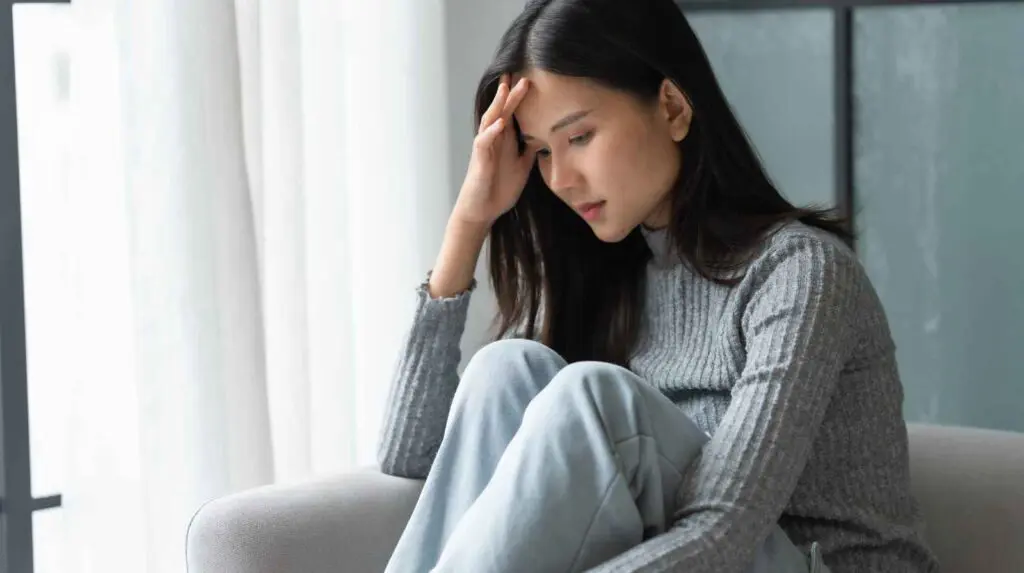
Let’s talk about anxiety…
Anxiety can show up in many ways, such as racing thoughts, constant worry, trouble sleeping, or feeling on edge for no clear reason. Many people try to manage anxiety with small lifestyle changes like exercise, better sleep, or mindfulness. These lifestyle changes for anxiety can help calm the mind and improve daily well-being. But sometimes anxiety feels stronger and harder to control on your own. That’s when professional support can make a real difference.
Understanding the balance between self-care and expert help is important. When you know which approach works best for your needs, you can take the right steps toward feeling calmer, stronger, and more in control of your life.
Understanding When You Need More Than Self-Help
Before you start looking for answers, you need to get clear on where your symptoms actually sit on the anxiety spectrum. Not every bout of worry demands professional attention, but recognizing that line? That’s crucial.
Signs Professional Help Makes Sense

Here’s when you should consider reaching out for more than self-help strategies. If anxiety has been hanging around for six months or longer despite everything you’ve tried, that’s a signal. Are panic attacks happening regularly? Finding yourself dodging places, activities, or people you once loved? These are significant warning signs. Physical manifestations matter too, persistent exhaustion, ongoing muscle tension, or digestive problems that simply won’t resolve often indicate it’s time for outside help.
When sleep becomes elusive, your work performance drops, or your personal relationships start crumbling, waiting doesn’t serve you. Sometimes, online mental health services offer an accessible way to connect with licensed therapists right from your living room, particularly when traditional face-to-face appointments feel too daunting or aren’t easy to access.
What Happens When Anxiety Goes Untreated
Pretending persistent anxiety doesn’t exist won’t make it vanish. Generally, it intensifies over time and can open doors to depression or additional mental health struggles. Your body pays a price, too. Ongoing stress batters your immune defenses and raises your vulnerability to cardiovascular issues.
Current research reveals troubling patterns in younger populations that echo adult anxiety challenges. Fewer than half, just 42%, of kids aged 6-11 get the recommended hour of daily physical movement, and these numbers drop further when they hit their teen years. This lack of activity frequently connects with heightened anxiety levels as children mature.
Lifestyle Changes for Anxiety That Actually Work
Every day habits you adopt can dramatically dial down anxiety symptoms for a lot of people. These aren’t overnight miracles, but they steadily build your emotional resilience.
Moving Your Body to Calm Your Mind
Physical activity goes way beyond just getting fit; it ranks among the most effective strategies for coping with anxiety. Consistent movement triggers the release of endorphins, those natural feel-good chemicals your brain absolutely needs. And no, you don’t need some brutal workout routine. A leisurely 20-minute stroll, some gentle stretching, or even grooving to music in your living room all count.
Shoot for roughly 30 minutes on most days. Activities outdoors offer additional benefits, as natural environments inherently lower stress levels. What really matters is showing up regularly, not being perfect. Pick something you genuinely like doing, or you’ll bail on it eventually.
Sleep and Stress: The Foundation
Inadequate sleep and anxiety create this terrible feedback loop. Anxiety makes drifting off nearly impossible. Sleep deprivation makes everything feel catastrophic. Stopping this cycle demands deliberate attention to sleep habits.
Establish consistent bedtime and morning routines, weekends included. Make your bedroom cooler and darker. Drop the screens an hour before hitting the pillow; that blue light wreaks havoc on your natural sleep chemistry. Many people discover that meditation or controlled breathing before bed helps settle their racing minds.

Professional Support for Anxiety: What’s Available
Sometimes tweaking your lifestyle just doesn’t cut it, and you know what? That’s perfectly acceptable. Anxiety treatment options have grown substantially over recent years.
Therapy Options and Medication
Cognitive Behavioral Therapy (CBT) continues to be the benchmark treatment for anxiety disorders. It equips you to spot and reshape the thinking patterns that feed your worry. Other proven methods include Acceptance and Commitment Therapy and Dialectical Behavior Therapy.
Medication can also play a role in managing anxiety, particularly when symptoms are persistent or severe. Selective serotonin reuptake inhibitors (SSRIs) and serotonin–norepinephrine reuptake inhibitors (SNRIs) are commonly prescribed and are often used alongside therapy to support longer-term symptom management. A qualified healthcare professional can help determine whether medication may be appropriate.
Finding the Right Provider
Begin by reviewing your insurance network for covered mental health professionals. Most directories allow you to sort by areas of expertise, search for providers who specialize in anxiety disorders specifically. Don’t feel bad about meeting with several different therapists before landing on someone who clicks with you.
Combining Both Approaches
Here’s what actually produces results for most individuals: lifestyle changes for anxiety, working hand-in-hand with professional support for anxiety when circumstances call for it. These aren’t opposing tactics; they enhance each other.

Building Your Personal Plan
Consider professional support, your foundation, and lifestyle modifications as the framework you construct on top of it. A therapist can arm you with techniques, but daily practice falls on you. Medication might settle your nervous system enough for those healthier habits to become genuinely possible.
Begin with an honest evaluation of how severe your symptoms are. Mild anxiety that barely interferes with your routine? Give lifestyle modifications a solid few months first. Moderate to severe manifestations? Pursue professional help while simultaneously implementing beneficial changes. You can always modify your strategy as things evolve.
Monitor what produces results and what falls flat. Meditation transforms some people’s lives; others find it infuriating. You might uncover that early morning jogs completely shift your mental state, or that eliminating caffeine creates a more substantial impact than you anticipated. Your approach should feel doable, not like yet another thing stressing you out.
Common Questions About Anxiety Treatment
Can a GP prescribe pregabalin for anxiety?
Yes, your general practitioner can prescribe pregabalin for anxiety disorders, though doctors typically save it for situations where other medications haven’t delivered results. Your GP will evaluate whether it suits your particular circumstances and track how well it’s working.
Can you get rid of anxiety with just lifestyle changes?
For mild anxiety, lifestyle adjustments alone can produce excellent results. That said, moderate to severe anxiety disorders generally demand professional involvement. Lifestyle modifications remain valuable but are most effective when used alongside therapy and, potentially, medication for stubborn symptoms.
How long before lifestyle changes help anxiety?
Most individuals notice some improvement within 4-6 weeks of maintaining lifestyle adjustments such as regular exercise, improved sleep quality, and stress management practices. However, substantial relief usually requires 2-3 months. If you’re not seeing progress beyond that timeframe, professional support is worth considering.
When should you seek professional help for anxiety?
If anxiety symptoms last for several months, begin interfering with sleep, work, or relationships, or include frequent panic attacks, it may be helpful to speak with a healthcare professional or therapist. Early support can make anxiety easier to manage and prevent symptoms from worsening.
Moving Forward With Confidence
Managing anxiety often involves a combination of lifestyle changes and professional support rather than a single solution. Lifestyle changes for anxiety build a sturdy foundation, while professional support for anxiety delivers specialized resources when you require them. What matters most is taking that initial step, however modest. Perhaps that means a brief 10-minute walk this afternoon or finally booking that first therapy session you’ve been postponing. Listen, seeking help doesn’t signal weakness; it demonstrates wisdom. You absolutely deserve freedom from relentless worry, and with the proper combination of anxiety treatment options, you can definitely achieve it.