

Sponsored content: This article is written in collaboration with Groove Pillows.
If you’re waking up with a stiff neck, restless hips, or that frustrating “I’m tired, but I can’t quite sleep” feeling, you’re not imagining it – and you’re definitely not alone.
For many women, perimenopause and menopause bring a quiet but relentless shift in sleep quality. Sleep becomes lighter and more easily disturbed, aches linger longer, and even the most familiar sleeping positions suddenly feel… wrong. And while sleep advice often focuses on routines and relaxation, one important factor is frequently overlooked: what you’re actually sleeping on.
Because when your body is changing, your pillow needs to work a little harder. So, in this piece, we’ll gently explore how choosing the best pillow for menopause sleep can help support comfort, posture, and more settled nights.
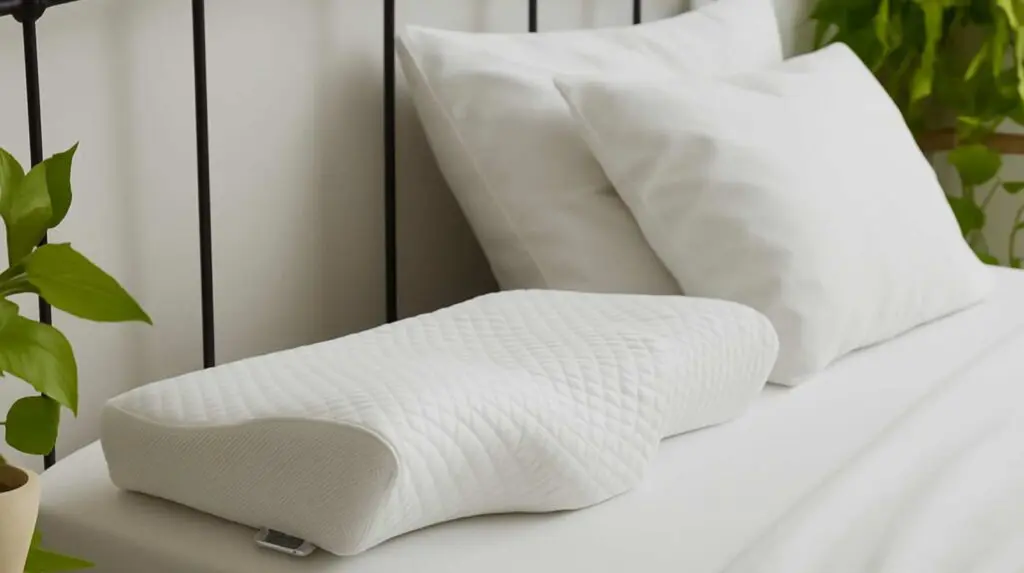
Why Sleep Becomes More Challenging During Perimenopause & Menopause
Hormonal fluctuations during perimenopause and menopause can affect everything from body temperature regulation to muscle tension and pain sensitivity. Many women report:
- Neck and shoulder discomfort
- Lower back or hip pain
- Restlessness and frequent waking
- Difficulty finding a comfortable sleeping position
What’s important to understand is that these changes often make sleep posture more vulnerable. A pillow that once felt “fine” may no longer provide enough support — especially for the neck, spine, hips, and knees.
When the body is already working harder to regulate itself, even small improvements in physical support can help reduce overnight strain and improve overall comfort.
Why Pillow Choice Matters More Than You Think
Your pillow plays a key role in maintaining neutral spinal alignment while you sleep. When the neck isn’t properly supported, strain builds through the shoulders and upper back. Similarly, when the hips and knees aren’t cushioned or aligned – particularly for side sleepers – discomfort can ripple through the lower back.
During menopause, when joints and muscles may already feel more sensitive, even small misalignments can disrupt sleep.
A pillow that properly supports the neck, shoulders, and spine can help the body rest more naturally, rather than spending the night compensating for poor alignment.
How Groove Pillows Are Designed to Support Better Sleep
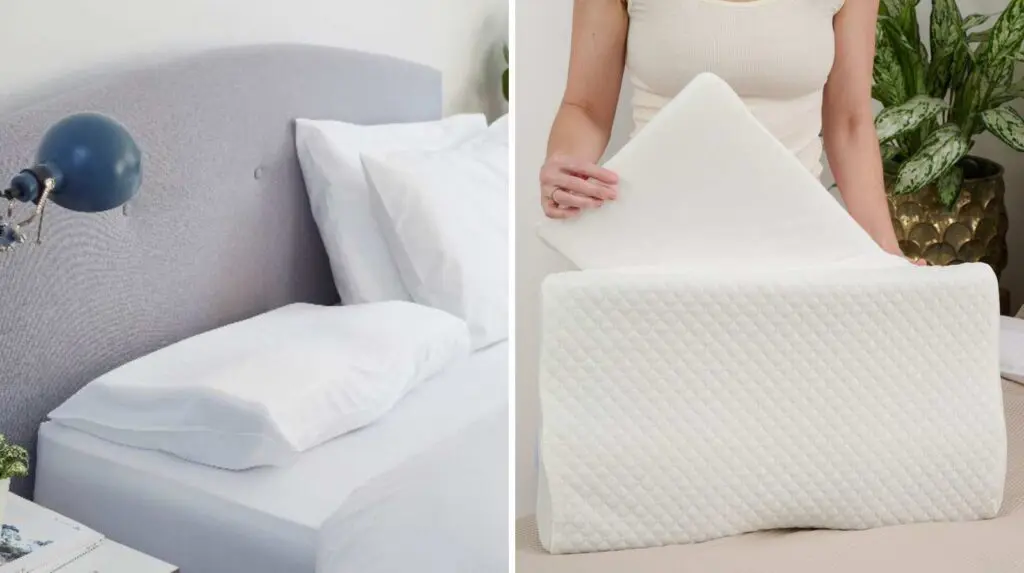
Groove Pillows focus on ergonomic design that supports the body’s natural alignment rather than forcing it into a fixed position.
One of their standout options is the Groove Adjustable Pillow, which allows you to customise the height and firmness by adding or removing filling. This adjustability is particularly helpful for women experiencing changes in sleep needs – whether that’s increased neck sensitivity or switching between back and side sleeping.
By supporting the neck’s curve and encouraging better alignment, an adjustable pillow can help reduce overnight strain and make it easier to settle into a more comfortable position.
Another popular option is the Groove Easy Sleeper Pillow, designed to cradle the head and neck while maintaining support through the shoulders. For those dealing with tension or stiffness on waking, this kind of targeted support can make mornings feel noticeably gentler.
Choosing the Best Pillow for Menopause Sleep Based on Your Sleeping Position
One of the most important factors in sleep comfort is how you naturally sleep. Side sleepers often need a pillow with enough height to keep the neck aligned with the spine, while back sleepers typically benefit from more balanced, adaptive support that cradles the head without pushing it forward.
What’s helpful about Groove’s range is that different designs cater to different needs – from adjustable options that can be personalised over time, to contoured shapes that support the neck and shoulders more precisely. This flexibility can be especially valuable during perimenopause and menopause, when sleep positions and comfort needs may change from month to month.
Don’t Overlook Hip & Lower Back Comfort
While neck support often gets the spotlight, hip and lower back discomfort are common menopause-related complaints – especially for side sleepers.
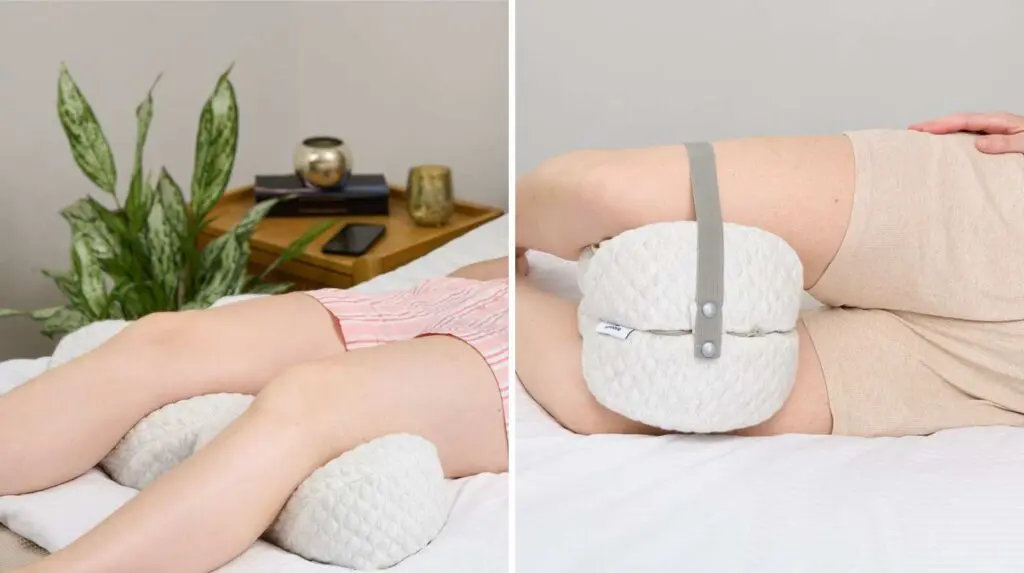
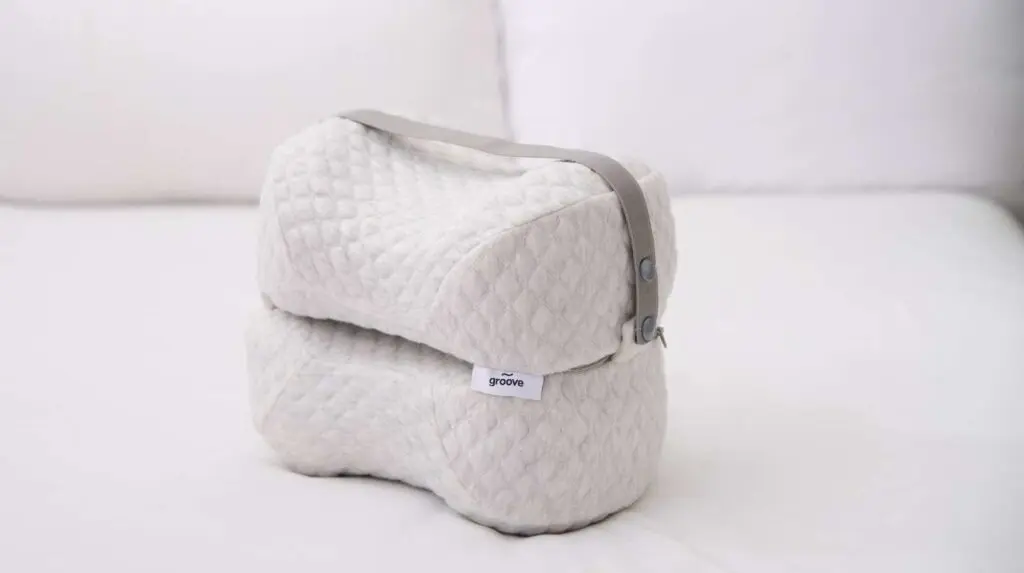
Groove’s Combination Pillow (which can be used as a knee pillow or support cushion) is designed to help keep the legs aligned during sleep. Placing a pillow between the knees can reduce pressure on the hips and prevent the spine from twisting overnight, which can significantly ease lower back discomfort.
The versatility of a combination pillow also means it can be repositioned for different needs, whether that’s supporting the knees, easing hip tension, or offering extra comfort during rest or recovery.
It’s a small addition that can make a surprisingly big difference to overall sleep comfort.
A Gentle, Supportive Approach to Better Sleep
What I appreciate about Groove Pillows is their emphasis on support rather than quick fixes. There’s no promise of “perfect sleep overnight” – just thoughtful design that acknowledges real bodies, real discomfort, and the need for adaptability.
For women navigating perimenopause or menopause, this kind of approach matters. Sleep solutions don’t need to be complicated — but they do need to be kind to changing bodies.
A Final Thought
If sleep has started to feel harder than it used to, it’s not a personal failing – and it’s not something you have to simply “push through.” Sometimes, improving sleep begins with addressing the physical foundations, starting with proper support.
Choosing the right pillow won’t solve everything, but it can be a meaningful step towards more comfortable nights and easier mornings – especially during a season of life that already asks a lot of your body.
To learn more about Groove Pillows and explore their full range of supportive sleep designs, you can visit their website here.
Sources & Further Reading
- Sleep Foundation – Menopause and Sleep
https://www.sleepfoundation.org/women-sleep/menopause-and-sleep - NHS – Menopause Overview
https://www.nhs.uk/conditions/menopause/ - Harvard Health Publishing – Choosing the Best Sleep Position
https://www.health.harvard.edu/pain/choosing-the-best-sleep-position