

Today, I am delighted to welcome our guest writer, Toby Geneen. Toby is co-founder and co-head chef of Kindling Restaurant in Brighton. Over to you, Toby…
Call me romantic but I’ve rather fallen in love with the ebb and flow of British produce. Getting excited to taste the first forced rhubarb and awaiting the moment I can viably put deep-fried Brussels sprout back on the menu in the winter. At our restaurant Kindling, our self-imposed restriction of buying local has become a catalyst for menu development. It has initiated dish changes, inspired new combinations and driven us to learn more about preserving things so we can use them later in the year. When we started the restaurant, we really wanted to live by seasonality and local produce, and we found it both liberating and exciting.
At first, seasonal eating can seem restrictive, but it doesn’t have to be. And you’ll soon discover how much better food tastes and how much easier it is to make a delicious meal when the produce you are using is at its peak.
When you choose ingredients that are naturally in season, you will get fresher, sweeter produce that tastes better.
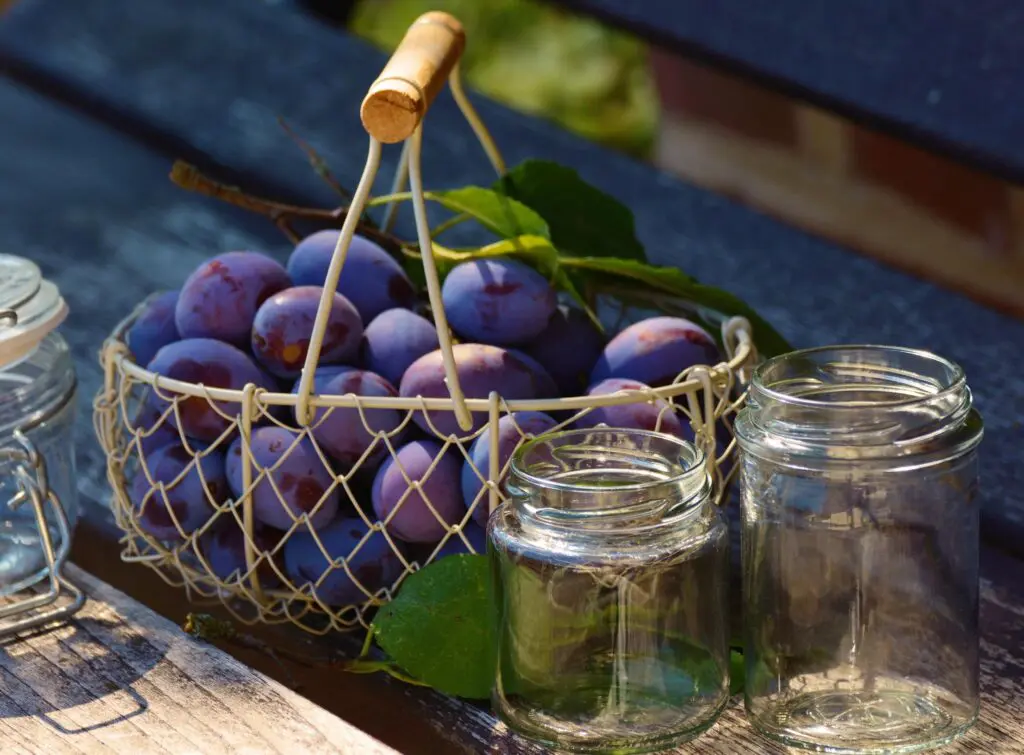
The joy of something perfectly ripe is that very little needs to be done to it to make it taste amazing. Nothing compares to the taste of tomatoes grown outdoors and ripened in the late August sunshine. Fragrant, sweet and juicy, these tomatoes taste of tomato and need nothing more than some salt and pepper to sing on the plate – a far cry from the red bullets that are imported in December.
Imported produce is generally picked well before it’s ripe to make it easier to transport.
This is why the avocadoes we buy in the UK will never taste like the ones in Mexico! Imported food is kept refrigerated for long periods of time and doesn’t develop the same levels of nutrients as food that is allowed to ripen in situ. Seasonal food has a higher nutritional value because it is consumed riper and closer to the time of harvest, while food that is transported and stored for long periods rapidly loses antioxidants such as vitamin C, diminishing its health benefits.
Seasonal food also supports what your body needs.

Summer foods such as tomatoes and stone fruits contain high levels of carotenoids which help protect us against sun damage. When ripened on the vine, tomatoes have plenty of time to develop lots of the red plant chemical lycopene. This has been well documented in safeguarding our skin from damaging UV rays and protecting against skin cancer.
Summer vegetables are also naturally lighter and have a higher water content helping us to stay cool and hydrated. Although 80% of your daily water intake usually comes from drinks, the other 20% comes from foods. Cucumbers, lettuce, courgettes, and watercress are all excellent summer vegetable sources of water. By contrast, winter veggies tend to be rich in starches. These help to provide the extra energy we need to stay warm in the colder months. What we eat sends signals to our body about the time of year. A warming pumpkin curry in October makes much more sense than a cold leafy salad.
If this isn’t enough, buying food in season can also be kinder to your wallet.
When food is at its peak in supply it costs less for farmers and distribution companies to get it to your local supplier, which helps to reduce the cost to you. Local food also avoids any import costs. The more local you buy, the bigger the saving. Farm shops and veg box schemes are a great way to access the best of what’s available and learn about what’s in season throughout the year.
To keep things interesting have a go at preserving or fermenting gluts of summer produce so you can have those flavours later in the year. We love to make berry jams, tomato chutneys, piccalilli, gherkins, and fermented fruits. Then we can use them for a splash of colour and some zing in the colder months.
If you fancy having a go, here is a recipe to get you started and help you preserve the taste of summer:
Using produce that is grown in the UK also reduces the number of ‘food miles’ and brings down your carbon footprint.
There is less transportation, refrigeration, and fewer hothouses, all of which help to reduce air pollution. Not only is it environmentally friendly, but using seasonal produce supports regional farms and communities, helping to grow the local economy.

Toby Geneen is co-founder and co-head chef of Kindling Restaurant in Brighton. Kindling is about more than just the delicious food, it is a community of people: staff, customers and suppliers all sharing and celebrating local produce. Nature writes the menu as the seasons inspire the dishes. Kindling is featured in the Michelin Guide and is a member of the Sustainable Restaurants Association.
Facebook: @kindlingbrighton
Instagram: @kindlingrestaurant
Linkedin: Kindlingrestaurant
RELATED: Is it time to adopt a plant-based lifestyle? Plant-based living explained
I’d like to thank Toby for sharing his knowledge (and strawberry jam recipe). Do you try to eat seasonal ingredients? Did you realise the benefits? Have you got any top tips of your own to share? Whatever you’d like to say – or ask – please do. Just leave me a comment in the box below, I’m happy to help, and I always love to hear from you.